
5 Steps How to Use NavaRatna Gemstones and Unlock Financial Abundance (Easy Guide for Business Owners)

As a business owner, you’ve likely felt it: that heavy, invisible ceiling that seems to stop your growth just as things are getting good. You’ve got the strategy, the team, and the hustle, but sometimes the "big wins" feel like they’re just out of reach. Perhaps you’re struggling with indecision, or maybe your leadership feels a bit disconnected lately.
In the world of business, we often talk about "luck" or "timing." But in the ancient wisdom of astrology, we call this cosmic alignment. When your personal energy is out of sync with the planetary forces governing wealth and authority, even the best business plan can stall.
Today, we’re looking at how you can bridge that gap using one of the most powerful tools in astrological science: NavaRatna gemstones. Specifically, we’ll dive into how the "big hitters": Yellow Sapphire and Blue Sapphire: can sharpen your leadership and clear the path to financial abundance.
The Leadership Paradox: Why Hard Work Isn’t Always Enough
Why do some entrepreneurs seem to have a "Midas touch" while others struggle to make a simple decision? It often boils down to two things: Wisdom (Jupiter) and Discipline (Saturn).
If your Jupiter is weak, you might lack the vision to see the next big opportunity. If your Saturn is afflicted, you might face constant delays, legal hurdles, or a lack of focus. This "Leadership Paradox" is where many business owners find themselves: working 16-hour days but spinning their wheels.
By understanding the astrological influences at play, you can use gemstones to "tune" your energy, making you a more decisive, magnetic, and prosperous leader.
The Planetary Powerhouses: Jupiter and Saturn

Yellow Sapphire (Pukhraj) and the Power of Jupiter
In astrology, Jupiter is the "Guru": the planet of wisdom, expansion, and massive wealth. For a business owner, Jupiter is the force behind your big-picture thinking. When you wear an authentic Yellow Sapphire, you are essentially inviting "Guru" energy into your boardroom.
Yellow Sapphire benefits for leaders include:
- Enhanced Decision-Making: No more second-guessing your gut.
- Expansion: Attracting the right partners and scaling your operations.
- Wealth Attraction: Creating a "magnetism" for financial opportunities.
Blue Sapphire (Neelam) and the Strategy of Saturn
While Jupiter expands, Saturn (governed by Blue Sapphire) structures. Saturn is the planet of karma, discipline, and long-term success. If your business feels chaotic or you’re facing "blockages" that don't make logical sense, Blue Sapphire astrology suggests that Saturn might need balancing.
Blue Sapphire benefits include:
- Extreme Focus: The ability to cut through the noise and execute.
- Protection: Shielding your business from sudden losses or hidden enemies.
- Speed: Removing the "stagnation" that holds back your career growth.

The 5-Step Guide to Unlocking Abundance with Gemstones
Ready to shift the energy in your business? Here is your easy 5-step guide to using NavaRatna gemstones effectively.
Step 1: Start with a Professional Birth Chart Consultation
Before you put on any gemstone, you must understand your unique cosmic blueprint. Just because a stone is "good for wealth" doesn't mean it's good for you right now. Wearing a Blue Sapphire when your Saturn is already overactive could cause unnecessary friction.
At 360 Real Astrology, we believe in a scientific approach. We analyze your birth chart to see which planets are your "money makers" and which ones need a little help.
Step 2: Activate Leadership with a Natural Yellow Sapphire
For most business owners, the Natural Yellow Sapphire is the cornerstone of success. It’s the stone of the CEO.
- How to wear it: Usually worn on the index finger (the finger of Jupiter) of your working hand.
- Metal: Set it in Gold for maximum resonance.
- The Day: Thursday is the day of Jupiter, making it the best time to begin wearing it.
When you wear this stone, you’ll notice a shift in how you carry yourself. You’ll feel more confident in your authority, and your team will likely respond to that renewed sense of wisdom.
Step 3: Sharpen Your Strategy with Blue Sapphire
If your business is established but feels stuck in a rut, the Natural Blue Sapphire can provide the "jolt" needed for rapid progress.
- Warning: Because Blue Sapphire is so fast-acting, it should always be tested first. We often recommend keeping it near you for a few days to see how your energy shifts before wearing it permanently.
- Metal: Silver or Platinum are common choices, though gold can sometimes be used depending on your chart.
- The Day: Saturday is the day of Saturn.
Step 4: Leverage the Full Power of NavaRatna Gemstones
While single stones target specific problems, the NavaRatna (the nine gems) acts as a complete cosmic shield. For a business owner, a NavaRatna ring or pendant ensures that all nine planetary energies are balanced. It’s like having a full board of advisors, each handling a different department of your life: from health and courage to intellect and luxury.

Step 5: Insist on Authentic Gemstones
This is the most critical step. In today's market, "synthetic" or "lab-treated" stones are everywhere. They might look pretty, but they lack the earth-grown vibrational frequency required for astrological results.
Authentic gemstones are those that are natural, unheated, and untreated. Think of it like this: if you wanted to boost your vitamin D, you’d sit in the sun, not look at a picture of it. Real stones are the "sun" in this equation. Always look for ISO-certified stones and reputable dealers who understand the occult significance of what they sell.

Practical Advice for Business Owners
Beyond just wearing the stones, you need to align your actions with the planetary energy:
- When wearing Yellow Sapphire: Dedicate time to learning. Read a leadership book or seek a mentor.
- When wearing Blue Sapphire: Audit your business processes. Where are you being lazy or undisciplined? Fix the leaks.
- The "Cleansing" Ritual: Every few weeks, cleanse your stones in raw milk or holy water to clear any stagnant energy they may have absorbed.
How 360 Real Astrology Helps You Succeed
We aren't just a gemstone shop; we are your partners in co-creating the life you desire. We combine ancient Egyptian wisdom with modern astrological science to provide:
- Expert Birth-Chart Analysis: To ensure you're wearing the right stone for your specific goals.
- Guaranteed Original Gemstones: Every stone in our shop is hand-selected for its astrological potency and authenticity.
- Holistic Guidance: We help you understand the why behind the what, so you can move forward with clarity.
FAQ: Frequently Asked Questions
1. Can anyone wear a Yellow Sapphire for business?
While Yellow Sapphire is generally very beneficial, it depends on the placement of Jupiter in your birth chart. If Jupiter is in a "hostile" house for you, it might create over-expansion or arrogance rather than healthy growth. Always consult an expert first.
2. How long does it take to see results from Blue Sapphire?
Blue Sapphire is known as the "fastest" gemstone. Some people report shifts within hours or days, particularly in areas of discipline and focus. However, deep-seated business problems may take a full lunar cycle (around 28 days) to begin resolving.
3. What are "authentic gemstones" exactly?
Authentic gemstones are those that are mined from the earth and have not been subjected to "glass filling," "diffusion," or extreme chemical heat treatments. These treatments ruin the stone's natural energy.
4. Is a NavaRatna ring better than a single stone?
A NavaRatna ring provides general balance and protection across all areas of life. A single stone (like Yellow Sapphire) is more like a "laser focus" on a specific area, such as wealth or leadership. Many business owners wear both.
5. On which finger should I wear my business ring?
Typically, the Index Finger is for Yellow Sapphire (leadership) and the Middle Finger is for Blue Sapphire (discipline). However, these rules can change based on your specific palmistry and chart details.
6. Can I wear gemstones with a luxury watch?
Yes! Many of our clients pair their astrological rings with high-end timepieces. The key is the skin contact of the gemstone, not what else you are wearing.
Conclusion: Take the Lead in Your Own Destiny
Business isn't just about spreadsheets and marketing funnels; it’s about energy. When you feel "stuck," it’s often a sign that your internal and external frequencies are mismatched.
By using the Natural Gemstones recommended for your chart: like the wisdom-giving Yellow Sapphire or the focus-sharpening Blue Sapphire: you stop fighting the current and start riding the wave of planetary support.
Don't leave your financial abundance to chance. Take the first step today by booking a consultation and ensuring you’re equipped with the right cosmic tools for the job.
About Me:

Musa Hossain, A Modern Astrologer, Palmist, Occultist Scientist and Gemologist
Our Astrological Gemstone
-
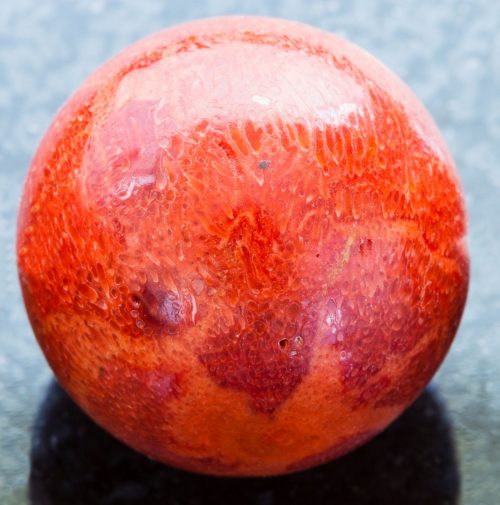 Natural Red Coral
Price range: $225.00 through $400.00
Natural Red Coral
Price range: $225.00 through $400.00
-
 Natural Blue Sapphire
Price range: $1,500.00 through $3,000.00
Natural Blue Sapphire
Price range: $1,500.00 through $3,000.00
-
 Natural Sea Pearl
$400.00
Natural Sea Pearl
$400.00
-
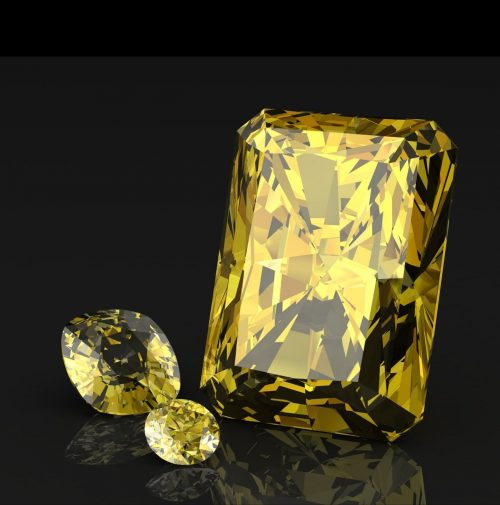 Natural Yellow Sapphire
Price range: $350.00 through $650.00
Natural Yellow Sapphire
Price range: $350.00 through $650.00
-
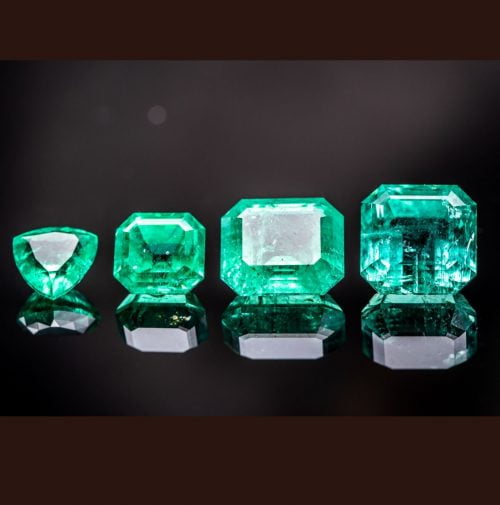 Natural Emerald Gemstone
Price range: $300.00 through $550.00
Natural Emerald Gemstone
Price range: $300.00 through $550.00

Connect me