
How Planet Placements in Houses Affect Your Life
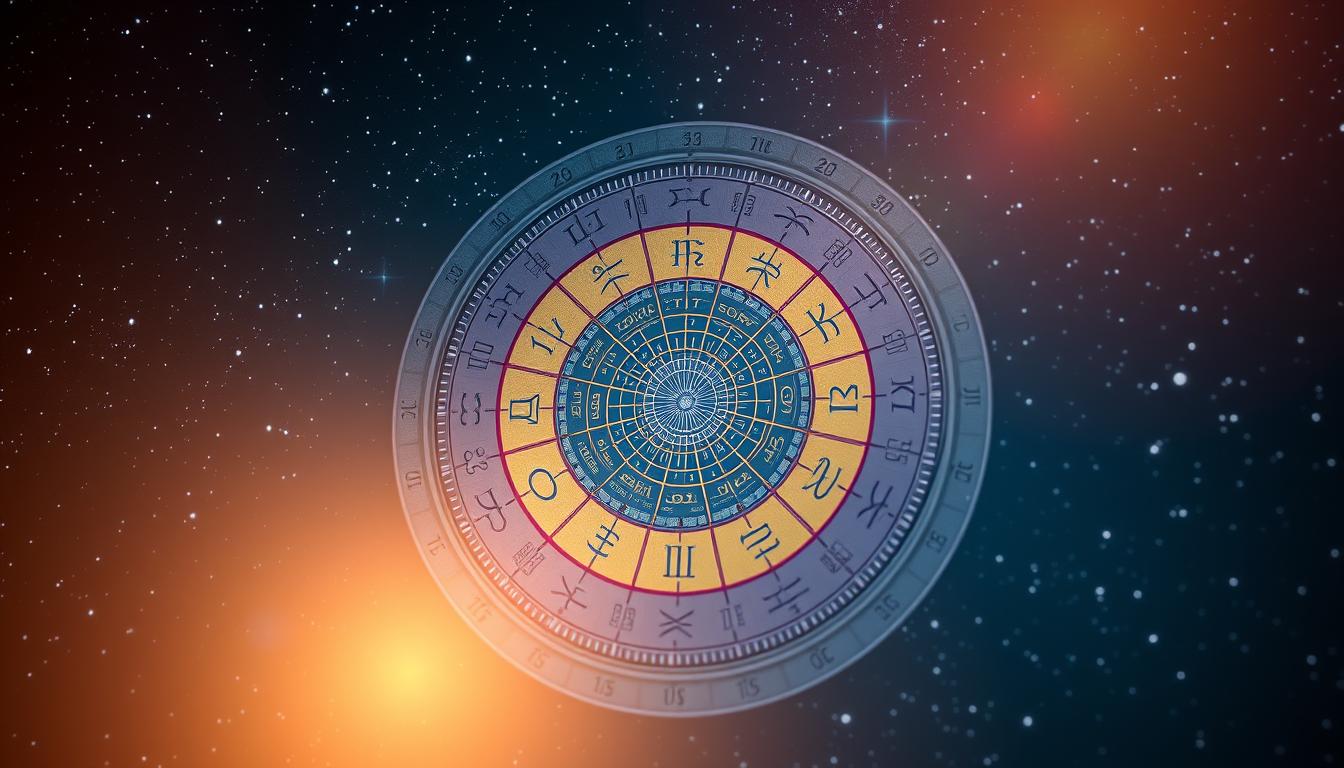
Most people know their Sun sign, but your personal cosmic map holds far deeper secrets. Your birth chart is a unique snapshot of the sky at your moment of arrival. It reveals how celestial energies shape your destiny.
This map is divided into twelve core sectors called houses. Each sector represents a different department of life experience. Think of them as the stage where planetary energies perform.
The framework is based on Earth’s 24-hour rotation. This creates a personal structure for your chart. It shows where cosmic forces focus their influence in your world.
This guide will demystify these complex relationships. You will learn how planetary positions in different sectors shape your real-world experiences. We make it accessible for both beginners and those wanting deeper insight.
Key Takeaways
- Your birth chart is a personal map of celestial energies at your birth.
- The twelve houses represent core life departments, from career to relationships.
- Where planets are placed shows where their energy is most active.
- This system provides a deep, personalized level of insight beyond your Sun sign.
- Understanding your chart can unlock clarity about your unique path and potential.
- The house system creates a framework based on Earth’s daily rotation.
- This guide breaks down complex astrological concepts into practical knowledge.
The Fundamentals of Astrological Houses
Think of your birth chart as a clock face. Each of the twelve houses marks a distinct two-hour segment of your daily experience.
What Are Astrological Houses?
These twelve sectors divide your personal chart into specific life departments. They govern everything from self-identity to career and relationships.
It’s crucial to distinguish them from zodiac signs. Signs describe the style of energy. Houses show where that energy plays out in your tangible world.
How Houses Define Areas of Life
Your exact birth time and location are essential. They determine your Ascendant, or rising sign. This angle marks the start of your First House.
This system is the most personalized part of your chart. It changes every few minutes as Earth rotates. Without a precise birth time, interpreting these life areas is limited.
The houses progress counterclockwise around the wheel. They are also grouped by element. This creates thematic links between life areas in a meaningful way.
The Role of Planets in Astrology
Your astrological blueprint is powered by ten key celestial bodies, each governing distinct facets of your existence. These cosmic points represent different psychological functions and energies within your chart.
Personal and Social Planets Explained
The personal planets—Sun, Moon, Mercury, Venus, and Mars—move quickly. They shape your core identity, emotions, communication style, values, and drive. These energies influence your daily life and immediate interactions with people.
Jupiter and Saturn are social planets. They bridge your personal world with broader societal experiences. Jupiter brings growth and opportunity, while Saturn teaches lessons through structure and responsibility.
Influence of Outer Planets and Transits
Uranus, Neptune, and Pluto move very slowly. They influence entire generations. Their placement in your personal chart shows where you experience profound change, inspiration, or transformation.
The ongoing movement of these celestial bodies is called transits. As planets move through the sky, they activate different areas of your life over time. This creates evolving themes in your journey.
Understanding Planets in Houses Astrology
The true magic of your personal cosmic blueprint unfolds when you see how planetary energy interacts with specific life departments. This synthesis is the heart of a deep chart reading.
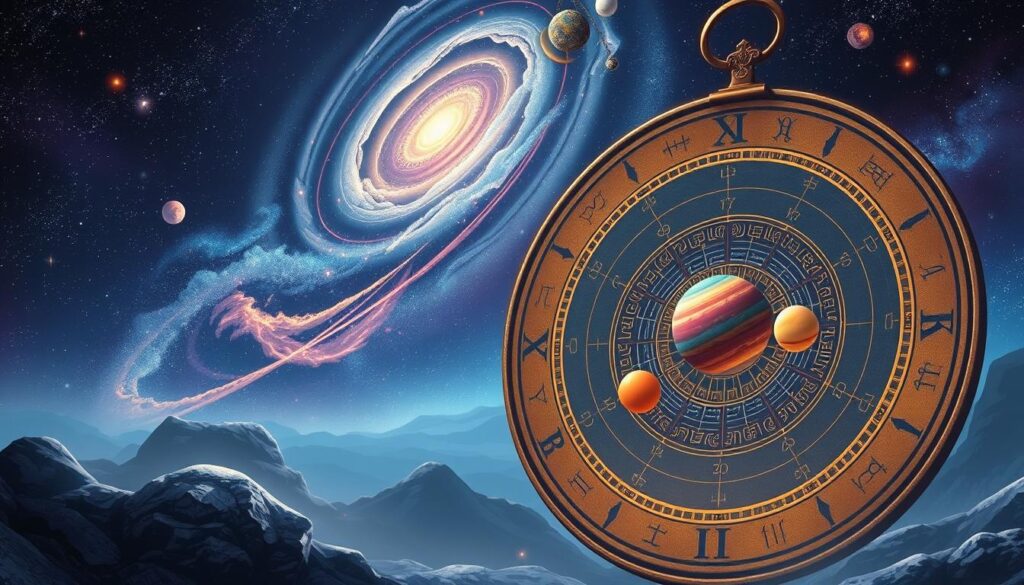
Every celestial body in your chart tells a story. The planet is the “what” – the core energy. The sign is the “how” – its style of expression. The house is the “where” – the life area where this energy manifests.
Interpreting Planetary Positions in Your Chart
To read your chart effectively, always combine these three elements. This creates a three-dimensional understanding.
For instance, Mercury represents communication. In the Third House, it amplifies skills with siblings and local community. In the Tenth House, it applies those skills to career and public reputation.
The same planet in different signs and houses creates vastly different life experiences.
How Planet Placements Shape Life Domains
Your planetary placements create natural focal points. They show where you’ll consistently invest energy.
For example, Venus in the Second House focuses on material security. Venus in the Seventh House emphasizes partnership harmony. The house dictates the area of manifestation.
These placements reveal recurring themes in your biography. They highlight both talents and challenges within a specific life department.
Understanding your birth chart this way provides practical self-knowledge. It helps you align with natural strengths and navigate your path with more clarity.
Mapping Your Birth Chart: The House System
Your birth chart’s division into life areas is determined by a precise calculation starting with your rising sign. This house system divides your chart into twelve houses, creating a personal architectural framework.
The Importance of the Ascendant and Rising Sign
The Ascendant, or rising sign, is the zodiac sign on the eastern horizon at your exact birth moment. It serves as the cusp of your First House. This point sets the stage for all subsequent sector cusps.
More than just a marker, your Ascendant represents your outward personality and life approach. It is one of the three most important placements in your chart.
From the Ascendant at the 9 o’clock position, we read the wheel counterclockwise. Houses are calculated moving down to the Fourth sector, across to the Seventh, up to the Tenth, and back.
Popular House Systems: Placidus, Koch, and More
Several calculation methods exist, using different mathematics. The Placidus system is most common in Western practice. Koch is similar but uses different calculations.
The Equal House method gives each house exactly 30 degrees. The Whole Sign approach aligns each sector with one complete zodiac sign. Choice of method can slightly shift sector boundaries.
All methods share the same Ascendant and produce similar interpretations. Your accurate birth time is critical, as the Ascendant changes signs every two hours.
The four angles—Ascendant, IC, Descendant, and Midheaven—are powerful points. They form the structural framework for understanding your life path, a key part of your birth chart analysis.
Exploring Life’s Departments Through the Twelve Houses
Your cosmic chart functions as a complete life framework. It systematically organizes every potential experience into twelve specific domains.
This structure represents a developmental journey. It moves from core identity to spiritual transcendence.
House Themes: From Self to Transformation
The first six sectors focus on personal development. They cover your identity, resources, mind, home, creativity, and daily work.
The final six address interpersonal dynamics. These areas include partnerships, deep transformation, public reputation, community, and the unconscious.
This progression mirrors a natural growth process. You establish your self before engaging with the wider world.
Real-World Implications of Each House
Each sector governs tangible circumstances. It rules specific people, physical locations, and core activities.
The Fourth house concerns home and family. The Tenth governs your career and public standing.
Elemental groupings create thematic links. Fire sectors deal with identity, Earth with material matters, Air with communication and relationships, and Water with emotional depths.
Understanding these themes provides a practical roadmap. It shows where you’ll encounter opportunities for growth and challenges throughout your lifetime.
Interpreting Planetary Stelliums and Empty Houses
Two common features in any birth chart analysis are planetary clusters and vacant sectors.

Understanding these patterns reveals where your energy concentrates and where it flows easily.
Understanding Stelliums and Their Impact
A stellium occurs when three or more celestial bodies occupy the same house. This creates an intense energetic focal point.
That life area becomes a dominant theme. You likely feel a strong pull toward its matters.
The energies of the planets within a stellium blend together. This creates a complex, multifaceted approach to that department of experience.
The Significance of Empty Houses in Your Chart
Many people worry about empty houses. Having no planets in a house is completely normal.
It does not mean that area is unimportant or unfulfilling. Empty houses often indicate domains that require less conscious effort.
To interpret an empty house, find its ruler. Look at the sign on its cusp. The ruling planet’s placement in your chart shows the way that life department operates for you.
This house may function smoothly in the background, giving you a sense of natural ease there.
The Intersection of Planets and Life Areas
Your professional drive, domestic harmony, and romantic patterns all trace back to planetary placements in key sectors. This connection shows where cosmic forces actively shape your daily reality.
How Planetary Energy Translates to Career, Family, and Relationships
Career sectors like the Tenth govern public reputation. Mars here suggests ambitious drive. Mercury indicates communication roles.
Venus in the Seventh House fosters partnership harmony. The Fifth sector influences romance and creative expression.
Family life is tied to the Fourth House. The Moon here emphasizes emotional roots and security.
Financial patterns link to the Second and Eighth sectors. They reveal your approach to material resources.
| Celestial Body | Sector | Primary Influence |
|---|---|---|
| Venus | Seventh House | Harmonious partnerships and love |
| Mars | Tenth House | Ambitious career drive and public assertiveness |
| Moon | Fourth House | Strong family ties and need for domestic security |
| Jupiter | Ninth House | Success through education or international ventures |
| Pluto | Eighth House | Intense transformation through shared resources |
These placements weave a complex tapestry. They highlight your natural strengths across different life departments.
Deep Dive: Specific Houses and Their Meanings
The First and Tenth houses form the vertical axis of your birth chart. They represent the core of who you are and what you accomplish.
These are angular sectors, making them powerful points in your personal map.
The First House and Self-Identity
This house represents your outward personality and physical presence. It’s your interface with the world.
Your self-awareness and first impressions are governed here. Any planet in this sector becomes a visible part of your identity.
For example, Mars here creates an assertive style. Your rising sign on its cusp colors your entire approach to life.
The Tenth House: Career, Public Life, and Legacy
This sector sits at the top of your chart. It house represents your public reputation and professional path.
Your career ambitions and lasting legacy are found here. The Midheaven point indicates your highest calling.
A planet in this placement directly shapes your career trajectory. The Sun suggests leadership roles.
| Aspect | First House | Tenth House |
|---|---|---|
| Primary Focus | Personal Identity & Self-Presentation | Public Reputation & Worldly Achievement |
| Governs | Physical appearance, first impressions, vitality | Career, legacy, authority, social status |
| Key Symbol | The Ascendant (Rising Sign) | The Midheaven (MC) |
| Planetary Influence Example | Venus here adds charm and grace to one’s demeanor. | Saturn here indicates a structured, authoritative professional path. |
Integrating both sectors helps you present authentically while building a meaningful public legacy. They are two halves of a complete story.
Astrological Tools and Techniques for Chart Analysis
Accurate chart analysis today relies on specialized software and apps that handle complex calculations. These digital tools transform raw birth data into a detailed cosmic map.
They provide the precision needed for a meaningful reading of your personal blueprint.
Using Software and Apps for Accurate Readings
Reliable platforms like TimePassages and Astro.com are excellent for generating your natal chart. The CHANI app uses the whole sign house system and offers rich interpretations.
Key features to look for include multiple house system options, detailed aspect tables, and transit tracking capabilities. These features support a deep, layered analysis.
To use them effectively, input your exact birth date, time, and location. Then, navigate the interface to identify planetary positions and house placements. This makes interpretation accessible even for beginners.
Incorporating Transits and Aspects into Your Interpretations
Aspects are the angular relationships between celestial bodies in your chart. They show how different energies interact.
Major aspects include conjunctions (0°), squares (90°), and trines (120°). A square between Saturn and Venus, for example, might create tension between duty and pleasure.
Transits occur as planets in the sky move across your natal chart sectors. They temporarily activate different life areas, triggering events and opportunities.
Tracking these movements helps you understand current themes. Your daily horoscope is based on this very work.
| Celestial Body | Approximate Duration per House | Primary Influence Theme |
|---|---|---|
| Moon | ~2-3 days | Quick emotional shifts and daily moods |
| Sun, Mercury, Venus | ~3-4 weeks | Short-term focus on identity, communication, values |
| Mars | ~1-2 months | Bursts of energy, initiative, and action |
| Jupiter | ~1 year | Expansion, growth, and opportunity |
| Saturn | ~2-3 years | Lessons, structure, and maturity |
| Uranus, Neptune, Pluto | Many years | Generational transformation and profound change |
Understanding these timelines is a key part of predictive work. A slow-moving planet like Pluto defines an era, while a fast one like the Moon brings daily flux.
Conclusion
The interplay between celestial energies and life sectors creates a dynamic portrait of your existence. This guide has illuminated how your birth chart serves as a profound roadmap.
Its twelve houses map every essential department, from material resources to deep love. They frame where your innate talents and challenges will emerge.
Celestial placements indicate your natural focal points across life areas. These planets shape real-world experiences with family, home, and creativity.
Remember, both concentrated clusters and vacant houses are normal. They show where to apply effort versus where flow comes easily.
View this wisdom as a tool for conscious growth, not fixed fate. Your free will always directs how these potentials unfold.
Begin by exploring your own chart. Notice how its symbols resonate with your journey through community, health, and purpose.
This knowledge offers a lasting sense of clarity. May it inspire your ongoing path of self-discovery.
FAQ
What exactly are the houses in a birth chart?
Think of the houses as twelve core departments of your life experience. Your natal chart is a circle divided into these sections. Each one governs a specific area, like your personal identity, family, partnerships, or public career. The planets’ placements within these sections show where their energy is focused.
How does a planet’s placement in a house affect me?
Imagine a planet is an actor and a house is the stage where it performs. For example, Venus in your seventh house of partnerships highlights how you approach committed relationships. Mars in your tenth house of career shows your drive and ambition in your public life. The planet’s nature colors the life area it occupies.
What is the most important house to look at first?
Many astrologers start with the First House, ruled by your Ascendant or rising sign. This sector represents your self-image, physical body, and how you present yourself to the world. It sets up the entire structure of your chart and influences how you initiate experiences.
What does it mean if I have an "empty" house in my chart?
An empty house simply means no major planetary bodies are positioned there. It does not mean that life area is unimportant or inactive. You interpret it by looking at the sign on its cusp and any planets that rule that sign. The focus may be less intense, but the department is still very much part of your journey.
What is a stellium, and why is it significant?
A stellium occurs when three or more celestial bodies cluster in one zodiac sign or, more powerfully, in a single house. This creates a massive concentration of energy in that specific life department. It becomes a major theme, requiring significant attention and development throughout your life.
How can I find out which planets are in which houses for me?
You need to generate your personal natal chart. You can do this using reputable websites like Astro.com or Cafe Astrology. You’ll need your exact birth date, time, and location. The time is crucial for accurately calculating your Ascendant and, therefore, your entire house system layout.
Do the outer planets like Pluto and Neptune really impact my daily life?
While their effect is often generational, their house placement in your personal chart is deeply meaningful. They shape broader, transformative themes in specific life areas. Pluto in your fourth house, for instance, can point to deep transformations around your home, family roots, and sense of emotional security.
How do I use this knowledge in a practical way?
Understanding your planetary placements offers a map for self-awareness. It can highlight natural talents, relationship patterns, career inclinations, and personal challenges. This insight helps you consciously work with your energies, making empowered choices in your career, family, and love life.
About Me:

Musa Hossain, A Modern Astrologer, Palmist, Occultist Scientist and Gemologist
Our Astrological Gemstone
-
 Natural Red Coral
Price range: $225.00 through $400.00
Natural Red Coral
Price range: $225.00 through $400.00
-
 Natural Blue Sapphire
Price range: $1,500.00 through $3,000.00
Natural Blue Sapphire
Price range: $1,500.00 through $3,000.00
-
 Natural Sea Pearl
$400.00
Natural Sea Pearl
$400.00
-
 Natural Yellow Sapphire
Price range: $350.00 through $650.00
Natural Yellow Sapphire
Price range: $350.00 through $650.00
-
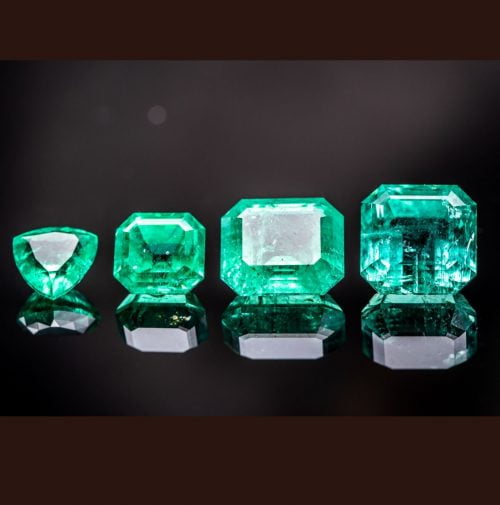 Natural Emerald Gemstone
Price range: $300.00 through $550.00
Natural Emerald Gemstone
Price range: $300.00 through $550.00

Connect me