
Why Hard Work Isn’t Working for You – Astrology’s Shocking Answer
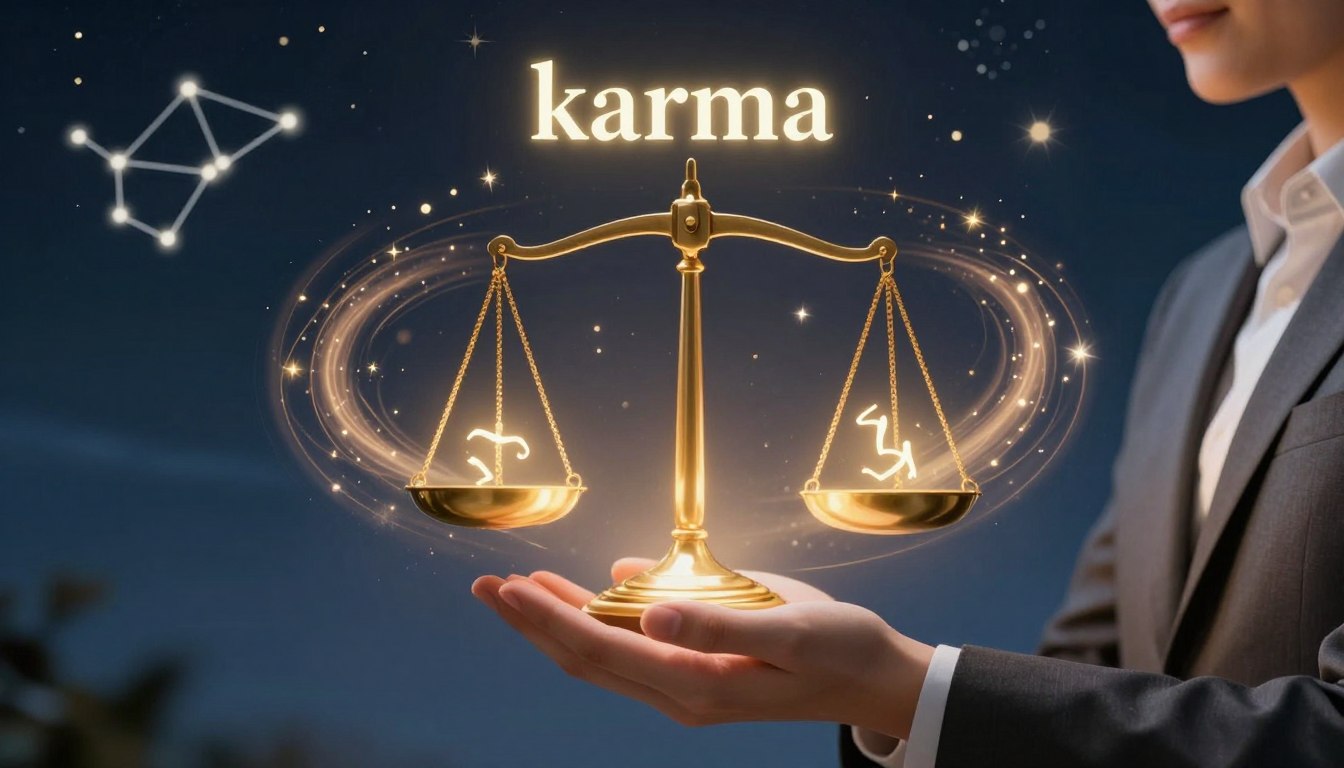
Feeling stuck despite effort? Many people do the right tasks and still see poor results. This introduction sets a clear stage: we’ll use an ancient cause-and-effect lens to explain why outcomes don’t always match input.
In Indian philosophy, the concept ties intent and visible action together. Classic texts like the Brihadaranyaka Upanishad and the Mahabharata link deeds to consequences and show why short-term outcomes can feel unfair.
The doctrine is not simple fate. It describes a dynamic cycle where present actions and inner intention shape future conditions. Some schools extend this to rebirth and the soul, while others focus on this world and practical change.
In U.S. speech the word often appears as “what goes around comes around.” We’ll separate pop culture from philosophy and give practical steps that shift causes today to improve tomorrow.
Key Takeaways
- Effort alone may not yield results; intent matters as much as action.
- Authoritative texts tie deeds to consequences across lives and time.
- The doctrine describes a cycle, not an unchangeable fate.
- Rebirth is a traditional extension but not required to use the idea practically.
- Practical shifts in intention and action can improve future outcomes.
Hard Work vs. Results: A Friendly Reality Check Through Karma
Effort alone can stall when older causes and current intent are out of sync. Many people work hard but miss results because unseen patterns set the stage. Ancient texts remind us that both intent and deed shape what comes back.
When effort meets unseen causes: why outcomes feel “unfair”
The Mahabharata teaches that happiness follows good actions and suffering follows harmful ones. The Brihadaranyaka Upanishad adds that how someone behaves shapes their life. That means prior choices can still be ripening while you hustle today.
“What goes around comes around” as a cause-effect lens
“You reap what you sow,” as Merriam-Webster notes, is a handy everyday take on this principle. Tone, sincerity, and follow-through matter. Someone can grind for months but sabotage results with cynical words or manipulative tactics.
- Clean the immediate cause: are your actions aligned with intent?
- Check communication: is your tone honest and clear?
- Follow through: consistency builds reputation and opportunity.
Change is possible. Reframe intent, repair commitments, and small shifts will retune the effect you attract. Steady, ethical action accumulates; today’s choices shape what around comes around.
Karma
Think of it as an ethical accounting system: intentions and deeds together register outcomes that shape your life. In South Asian texts the term names both the act and the motive behind it.
Core definition across Indian philosophies
Karma (Sanskrit: कर्म; Pali: kamma) refers to action and its effects. Schools vary: some link this principle to rebirth, others stress present responsibility.
“Truly, one becomes good through good deeds, and evil through evil deeds.”
Modern meaning in U.S. usage
Merriam-Webster defines the word as a force from a person’s actions that affects future existence. In everyday speech it often means “what you sow is what you reap,” a simplified take on the classic idea.
Why intention changes the result
Philosophers like Wilhelm Halbfass contrast this term with kriya: effort versus the moral weight of the act. A sincere act and a careless act can produce very different effects.
Not cosmic punishment: think cause and effect, not a deity issuing rewards. Consequences can be immediate or subtle, shaping habits, relationships, and future opportunities.
Next: we’ll sort fate from what you can still shape and explore how timing, astrology, and moral agency play roles.
Karma, Fate, and Destiny: Clearing Up the Confusion
We often mix up what’s already unfolding with what we can still change, and that confusion hides practical options.
Prārabdha vs. what you can shape
Prārabdha is the slice of past causes that is bearing fruit now. It explains why certain limits—health, timing, obligations—show up in a person’s life.
Think of Prārabdha as the weather you wake to; free will is how you dress, drive, and plan your day.
Free will, moral agency, and why predetermination isn’t the full story
Classical sources and the Mahabharata stress that past actions and current effort both matter. Facing constraints does not erase the power of new choices.
Even with set conditions, an individual can change trajectories by shifting intention, word, and deed. Small, steady acts alter reputation, relationships, and future openings.
“Outcomes arise from older seeds and today’s effort, not one or the other.”
- Accept what is given today (health, timing, obligations).
- Identify one concrete action you can take now (prepare, apologize, set a boundary).
- Repeat kind, honest behavior to change immediate patterns.
Note: debates about rebirth and the larger cycle add depth to this doctrine, but the practical takeaway is simple: your next actions still matter.
Is It Karma or Astrology? Understanding the Relationship
Charts show weather; moral causes explain why two people in the same storm fare differently. Astrology offers timing and trends. The ethical principle behind action explains why similar transits yield different results.
Example: Two colleagues face the same market cycle. One built honest partnerships and kept promises; the other cut corners. The first lands a deal, the second loses trust. Same timing, different outcomes.
How timing and ethical cause-effect differ
- Astrology: timing, cycles, tendencies.
- Ethical cause-effect: intent, action, and follow-through determine consequences.

Quick self-audit: Is your process transparent? Do your words match promises? Are your acts generous and firm?
| Tool | What it shows | What you control |
|---|---|---|
| Astrology | Timing, cycles, favorable windows | When to launch or pause |
| Ethical cause-effect | Quality of seeds you plant | Intent, action, follow-through |
| Best use | Pick favorable days | Improve inputs so timing becomes tailwind |
The Principle of Cause and Effect: How Actions Become Results
What you do sparks effects; the inner motive often decides their weight and reach. This principle says that mental, verbal, and physical deeds seed both visible outcomes and deeper changes in a person.
Mental acts—thoughts and intentions—shape perception and next steps. Verbal acts set expectations and repair or break trust. Physical acts create immediate ripples in relationships and work.
Phala vs. Samskara: immediate fruit and lasting grooves
Phala refers to the near-term result you can see—like a referral after a helpful introduction. Samskara is an inner impression that shapes habit, tendency, and how an individual notices opportunities over time.
- Split outcomes: one act can give a quick win and also create a pattern that helps or harms future choices.
- Modern link: scholars connect this doctrine to psychology—repeated actions form vāsanā, or habit grooves, that filter experience.
- Neutral acts: some Buddhist views treat actions without harmful intent as ethically neutral.
Try a quick mapping: list one clear intention, one concrete action, one likely phala, and one likely samskara for a goal this quarter. Track the consequences in a journal to spot patterns between intent, words, acts, and results.
| Layer | What it shows | How you control it |
|---|---|---|
| Mental | Intent, outlook | Mindfulness, reframing |
| Verbal | Trust, clarity | Honest language, promises kept |
| Physical | Immediate outcomes | Consistent action, quality work |
Types of Karma: The Cycle That Shapes Your Life and Future
Many texts map action into four kinds of effects so you can see which forces shape your day and which you can change.
Sanchita
Sanchita is the warehouse of accumulated causes from previous lives and this life. It forms the backdrop of tendencies, skills, and recurring obstacles.
Prārabdha
Prārabdha is the slice currently bearing fruit. It explains present circumstances—health, family, timing—while still leaving room for wise choice.
Āgāmi
Āgāmi are the future results you create right now. Today’s intent and action plant these seeds that will influence short and long-term outcomes.
Kriyamāṇa
Kriyamāṇa is immediate action: the near-term moves that can trigger quick effects and set lasting grooves.
- Prose diagram: warehouse (Sanchita) → current slice (Prārabdha) → today’s acts (Kriyamāṇa) → near/long outcomes (Āgāmi).
- Quick inventory: Which tendencies feel inherited, and what single action can improve tomorrow’s results?
Scenario: a person with difficult starting conditions grows influence by compassionate networking and steady skill-building. Over time, better intentions change the stored causes and the visible results.
Good Karma vs. Bad Karma: Real-Life Examples and Effects
Every action carries a social echo that shapes immediate results and future chances.
Constructive deeds and words uplift people and outcomes. A simple introduction that pairs two colleagues can create immediate goodwill and open future doors. Generosity, clear praise, and fair credit build a supportive network that repeats back as referrals and trust.
Constructive acts that lift others
Example: When you connect two people thoughtfully, you seed collaboration. Small things—thank-you notes, specific praise, transparent invoices—compound into steady support. Teams that exchange honest feedback gain momentum and better results.
Harmful acts and their consequences
Overpromising and ghosting may win a quick deal but they seed long-term mistrust. Contemptuous words and calculated betrayal close doors slowly. In groups, manipulation produces silent resistance that undermines the whole cycle.
Intent matters: an honest mistake with prompt repair differs from deliberate harm. Buddhist thought stresses intention as the core that shapes impact on the soul and social life.
| Act | Immediate results | Long-term effect |
|---|---|---|
| Thoughtful intro | Goodwill | Trusted network |
| Overpromise & vanish | Short gain | Reputational loss |
| Kind, specific feedback | Motivation | Stronger teams |
Try this: list one constructive deed and one harmful action from last month. A weekly check-in helps ensure words and acts align so good karma grows and poor patterns fade.
Individual and Collective Karma: How People and Groups Shape Outcomes
Responsibility for inner choice rests with each person, even when groups act together. Traditions stress that your thoughts, words, and deeds are yours to own. No one else can erase or carry those seeds for you.
Thoughts, words, deeds: personal responsibility and nontransferability
Each individual plants causes by thinking and speaking. Those small acts form patterns that shape a life. Personal responsibility means tending your own behavior first.
Group actions, shared impact, and collective consequences
Groups form a shared field when many people act the same way. A company that prizes safety and fairness builds trust and resilience. One that cuts corners invites risk and public backlash.
- Nontransferability: others cannot absorb your moral debts.
- Culture matters: norms amplify good or toxic patterns.
- Leaders: set clear rules for transparency and accountability.

Do a monthly review of team actions to catch slips early. Encourage micro-actions—credit colleagues, close promises—to shift collective karma and improve long-term consequences.
Symbols of Karma: Visual Guides to the Cause-Effect Cycle
Symbols help turn an abstract moral idea into something you can see and act on every day.
The endless knot: interlinking of cause and effect
The endless knot shows causes and effects woven together with no clear start or finish. It reminds us that actions ripple and return across the cycle of days and lives.
The lotus: rising unstained while planting better causes
The lotus grows in mud but blooms clean. It encourages planting cleaner causes even amid hardship and keeping compassion at the center of action.
The Wheel of Life: up through virtue, down through ignorance
The central ring in the Wheel of Life stands for moral consequence. Figures rise by virtuous acts and fall when ignorance rules, linking ethical choice to rebirth and future state.
Lungta (wind horse): momentum, fortune, and state
Lungta symbolizes energetic momentum. When your effort aligns with honest intent, your projects can “catch the wind” and bring luck, health, and better outcomes.
- Tie a small knot on a notecard to track one habit loop you want to change.
- Place a lotus image where you work as a cue to stay unstained in behavior.
- Choose one symbol to anchor a weekly mindful action, like a short service or pause before hard talks.
Across cultures, these images help people recall responsibility, growth, and how the soul moves through lives. They make the doctrine tangible without long study and invite a short reflective pause before acting.
Why Your Hustle Might Be Blocked: A Karmic View on Work and Success
Sometimes the blocker isn’t effort but the motives and small patterns that run under your hustle. Past deeds and the way you communicate can quietly erode trust in work and life.
Classic texts say happiness follows good action and suffering follows harmful action. In modern terms, intent, words, and follow-through shape short-term wins and longer trends.
“What appears as fate is often the ripening of earlier seeds; repair the cause and the effect shifts.”
Common blockers:
- Cutting ethical corners or exploiting clients.
- Chronic overpromising and missed deadlines.
- Dismissive language that erodes trust.
Example: A freelancer underbids, then misses delivery dates. They win once but lose repeat clients and referrals. That short win turns into blocked opportunities later — a classic sign of bad karma.
| Blocker | Immediate impact | Fix |
|---|---|---|
| Overpromise | Quick sale | Set realistic timelines |
| Unclear terms | Disputes | Clean contracts |
| Rushed outreach | Poor rapport | Audit your state before contact |
Quick checklist: one deed to repair (apology/refund), one promise to close, one generous act to seed the future. Life often rewards steady alignment more than frantic bursts.
Practices to Build Good Karma and Shift Future Results
You can tilt tomorrow by choosing clear intention and simple habits today. Start with one concrete act each morning and say aloud how it benefits another person. This small ritual aligns words, boundaries, and action for steady improvement.
Do good with clear intention: kindness, words, and boundaries
Act with clarity. Choose kindness that keeps limits firm. Repair quickly when you hurt someone: apologize, make amends, and reset your standard.
Meditation and mantra: purifying tendencies and planting better seeds
Add a short mantra or five-minute meditation to clear reactive habits. Regular practice rewires the nervous system so kinder defaults show up at stressful times.
Generosity and service: giving, listening, and showing up
Structure generosity: donate monthly, mentor briefly, and listen fully to one person each day. Show up even when it’s inconvenient to make giving part of your identity.
Gratitude and grace: how you win and lose shapes what comes next
Celebrate others’ wins and accept losses with humility. Practicing gratitude changes state before big moves and improves long-term results.
- Track time on high-quality actions; schedule them like meetings.
- Choose one weekly deed for community service—teach, volunteer, or share resources.
- Review outcomes monthly and adjust a single habit at a time.
“Intent and action produce consequences; daily practice makes the principle practical.”
Conclusion
Small, honest acts tend to compound into better chances over time. The Mahabharata and Upanishads remind us that intention and action shape outcome, whether you view the teaching as a moral doctrine or a practical habit.
You don’t need full metaphysical belief in rebirth or past lives to benefit. Treating people well, keeping your word, and repairing mistakes improves your work, relationships, and inner soul life now.
Pick one practice this week — gratitude, generosity, or a mindful repair — and make it nonnegotiable. Bookmark a symbol like the endless knot or lotus as a nudge.
Ask yourself: what habit will you retire, and what will you install? Time will pass anyway—let it carry causes you can be proud of. Thank you for reading; apply these insights in plans, launches, and daily work for steady gains.
FAQ
What does "action and consequence" mean in Indian philosophies?
In many Indian schools, the idea centers on action—mental, verbal, and physical—and the results those actions produce. It frames life as a moral economy: your choices create impressions that shape future experiences. Intention matters; a benevolent act differs in effect from a harmful one even if the outward deed looks similar.
How does this cause‑and‑effect view explain hard work that seems to fail?
Sometimes effort meets hidden causes such as prior impressions, timing, or external circumstances. Those unseen factors can delay or redirect results, so persistence alone won’t always produce the expected outcome. It’s a reminder to adjust strategy, refine intentions, and address deeper habits that influence results.
Is this the same as fate or destiny?
Not exactly. Some fruits of past actions may unfold as limiting conditions, but there’s room for choice. Concepts like prārabdha describe what’s currently ripening, while free will and new actions can change your path. Fate and agency coexist rather than being mutually exclusive.
How do astrology and this ethical cause‑and‑effect idea relate?
Astrology maps timing and tendencies in a person’s life, showing when certain themes are likely to surface. The ethical cause‑and‑effect view explains why events have moral texture based on past and present choices. People often consult charts to understand timing when progress stalls, but changing intent and behavior alters the long-term pattern.
What are the main types of accumulated results that affect a life?
Traditions often describe layers: Sanchita (all accumulated impressions), Prārabdha (what’s currently manifesting), Āgāmi (future results in formation), and Kriyamāṇa (immediate actions and their near‑term consequences). Together they show how past, present, and future interplay.
Can good deeds really change future outcomes? Any practical examples?
Yes. Small consistent acts—helping a neighbor, speaking truth kindly, mentoring someone—create positive ripples. Over time those choices build trust, open opportunities, and reduce resistance. These are practical shifts that lead to better professional and personal results.
What counts as harmful actions and their likely effects?
Harmful actions include deceit, cruelty, and persistent neglect of others’ wellbeing. They tend to create resistance: damaged relationships, lost opportunities, and recurring conflicts. Consequences often show up as patterns rather than single incidents, signaling a need to change course.
Are results personal only, or can groups share consequences?
Both. Individual choices shape personal trajectories, but collective actions—corporate policies, political decisions, social movements—produce shared effects. Communities inherit benefits or burdens from group behavior, making collective responsibility important.
What symbols help explain this cycle of cause and effect?
Visual metaphors include the endless knot (interconnected causes), the lotus (purity emerging from difficult conditions), the Wheel of Life (cycles of rise and fall), and the lungta or wind horse (momentum and fortune). Each highlights different lessons about continuity, renewal, and change.
Why might my hard work feel blocked from a moral cause‑and‑effect perspective?
Blocks can reflect unresolved patterns, unclear intent, or misaligned actions. If effort lacks ethical clarity or repeats harmful habits, results may stall. Practical remedies involve reframing goals, repairing relationships, and altering daily choices to produce healthier outcomes.
What practices reliably shift future results in a positive direction?
Focus on intentional kindness, mindful speech, and accountable action. Meditation and mantra work to calm reactive tendencies and plant better habits. Generosity, consistent service, and gratitude reshape relationships and opportunities. These practices change both inner disposition and outer results.
How important is intention compared to the act itself?
Intention is crucial. Two identical acts can yield different consequences depending on motive. Acts rooted in empathy or honesty build constructive effects; acts driven by selfishness or malice tend to create entangling consequences. Aligning motive and action brings clearer, kinder outcomes.
About Me:

Musa Hossain, A Modern Astrologer, Palmist, Occultist Scientist and Gemologist
Our Astrological Gemstone
-
 Natural Red Coral
Price range: $225.00 through $400.00
Natural Red Coral
Price range: $225.00 through $400.00
-
 Natural Blue Sapphire
Price range: $1,500.00 through $3,000.00
Natural Blue Sapphire
Price range: $1,500.00 through $3,000.00
-
 Natural Sea Pearl
$400.00
Natural Sea Pearl
$400.00
-
 Natural Yellow Sapphire
Price range: $350.00 through $650.00
Natural Yellow Sapphire
Price range: $350.00 through $650.00
-
 Natural Emerald Gemstone
Price range: $300.00 through $550.00
Natural Emerald Gemstone
Price range: $300.00 through $550.00

Connect me