Why Love Fails Repeatedly: Astrological Reasons You Never Knew

By Published On: December 19, 2025Categories: BloggingLast Updated: December 19, 2025
Share This Story, Choose Your Platform!
Blue Sapphire

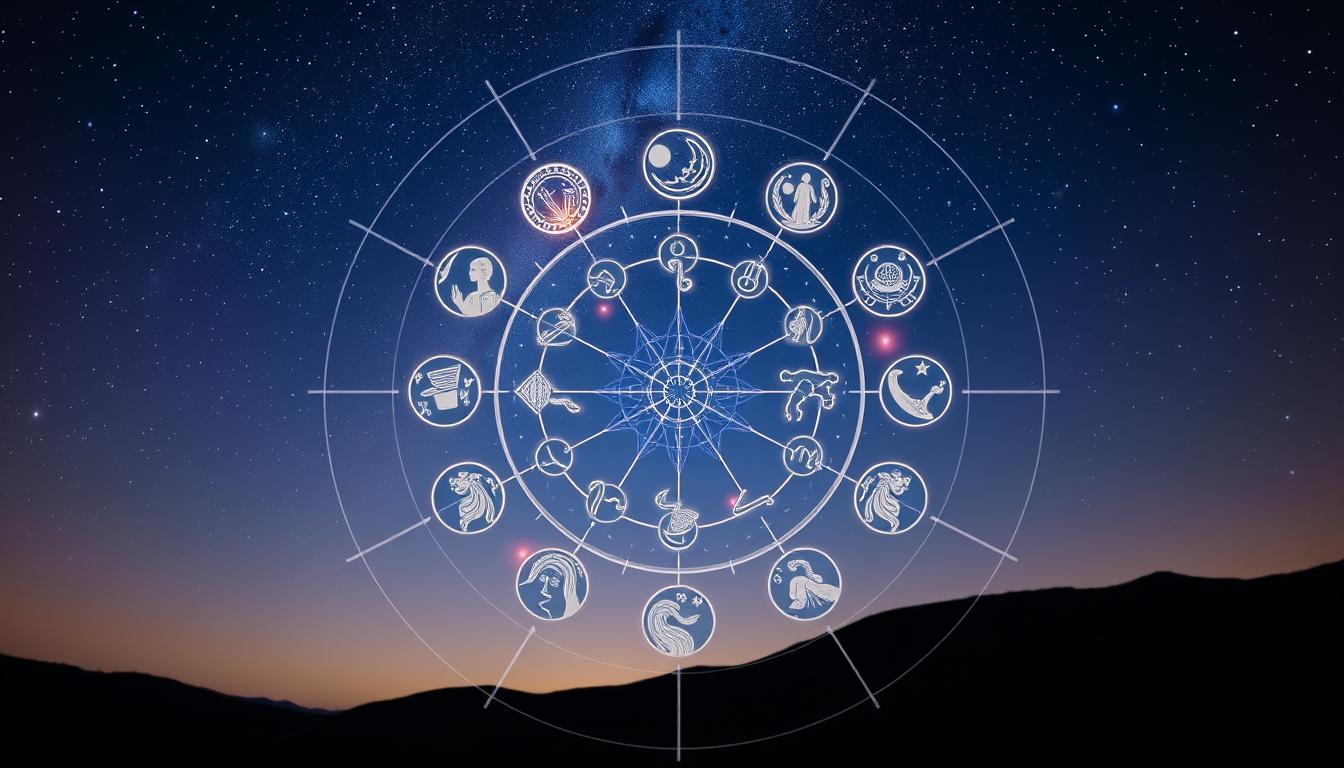
Astrology often points to repeating patterns in relationships, and one timeless symbol—blue sapphire—is tied to loyalty, truth, and clear communication. This gem has long been worn to encourage honesty and steady bonds, especially in engagement rings and everyday jewelry.

Across the world, sapphires carry romantic and spiritual weight that shapes how buyers choose a stone. Modern shoppers in the United States use filters like color intensity, eye clarity, and enhancements to match a stone to both feeling and budget.

We’ll move from symbolism to science and then to practical buying criteria. Learn how color and price often rise together, how settings affect beauty, and why a well-chosen sapphire engagement piece or a pair of earrings can support lasting communication and commitment.

Table of Contents

Key Takeaways

  • Astrology links repeated love struggles to communication and loyalty patterns, which the gem symbolizes.
  • Sapphires blend emotional meaning with market facts like color, clarity, and price.
  • U.S. shoppers can rely on filters to find the right stone fast, even for holiday delivery.
  • A thoughtful sapphire engagement choice supports daily wear and long-term devotion.
  • Practical buying—cut, carat, origin—matters as much as symbolic value.

Astrology and Repeated Love Failures: Setting the Stage for a Gemstone Solution

When patterns repeat in love, astrology frames them as lessons tied to communication, trust, and old fears. Charts often point to the same weak spots, which makes symbolic tools appealing to many people.

Sapphires have long represented loyalty and clear speech. As a gem variety, they can be sorted by color intensity and clarity. Retail filters let buyers match stones to emotional aims while keeping practical quality in view.

Choosing a blue sapphire for an engagement or a recommitment piece can signal intent. Many buyers pick gems for both appearance and the meaning they carry. This blend of heart and head helps reset repeating relationship habits.

  • Colors and intensity shape how a gem feels and how confident you feel wearing it.
  • Filters for cut, carat, and clarity keep shopping pragmatic and symbolic goals aligned.
Theme Practical Filter Astrological Effect
Loyalty Color intensity: vivid Supports clear commitment
Truth Eye clarity Encourages honest speech
Stability Durable cut Boosts daily wear and confidence

Blue Sapphire in Astrology: Symbolism of Loyalty, Truth, and Devotion

From crown jewels to engagement bands, a rich royal history gave certain gems a language of devotion.

Royal examples—like the Stuart Sapphire and the famous ring once worn by Princess Diana—helped fix this gem’s meaning in public imagination.

Truth and sincerity are central to the stone’s symbolism. Wearing a blue sapphire can act as a quiet reminder to speak plainly and listen closely.

From royal lore to modern relationships

Historic crowns and famous rings passed down an idea: a stone can signal integrity and devotion. That legacy makes certain rings popular in modern engagement choices.

Why sincerity and clear communication matter in love

Clear talk builds trust. A visible gem on the hand prompts small, steady actions—honest words, patient listening—that change patterns over time.

Symbol Modern Use Practical Tip
Devotion Center in engagement rings Choose durable cuts for daily wear
Truth Reminder to communicate Pair with diamonds for contrast
Heritage Family heirloom potential Select settings that protect the gem

What Is a Blue Sapphire? The Mineral Corundum Behind the Magic

At the heart of every rich blue tone lies a simple crystalline framework and tiny metal traces.

Blue sapphire is a distinct variety of the mineral corundum, which is crystalline aluminum oxide. This clear definition links the gem’s symbolism to real geology so buyers can value beauty and substance.

Iron and titanium: the trace elements that create color

Trace amounts of iron and titanium inside corundum produce the blue hues people prize. Small shifts in these metals change tone and intensity.

Those shifts explain why some gemstones look pale, while others read as vivid. Knowing this helps shoppers use color-intensity filters smartly.

Durability on the Mohs scale and why it suits daily wear

On the mohs scale, this gem ranks 9, second only to diamond. That high hardness means excellent scratch resistance for rings and everyday pieces.

Durability matters: the toughness justifies investment and supports heirloom use. Understanding mineral corundum helps buyers compare value across different stones and choose a balance of beauty, resilience, and budget.

“A gem is both a science and a symbol—know the rock behind the romance.”

Feature Why it matters Shop tip
Trace metals Control color Filter by color intensity
Hardness (9) Scratch resistance Choose durable settings
Variety Value differences Compare origins and clarity

Understanding Shades: From Cornflower Blue to Deep Royal Hues

Subtle shifts in hue and saturation can turn a pretty stone into a showstopper or a quiet everyday piece.

Hue, tone, and color intensity explained

Hue names the basic tint a gem shows. Tone measures lightness or darkness. Saturation—often called intensity—gauges vividness.

Read these three together to judge real presence. Use filters that list color intensity so you target vivid, balanced options.

How color affects beauty, price, and presence

Vivid, well-balanced colors usually command higher prices because they draw the eye and stand out on the hand.

Fainter tones can suit daily wear and softer styles. Compare stones in natural light to see true beauty before you buy.

Why lighter settings (platinum, white gold) enhance blues

Lighter metals boost contrast and make a blue stone read brighter face-up. For many shoppers, platinum or white gold brings out the gemstone’s best life.

  • Pick cornflower blue for a luminous, lively look.
  • Choose deeper royal hues for formal impact.
  • Use online filters for hue and color intensity when shopping in the U.S.
Attribute Effect Shop tip
Hue Defines mood Match to wardrobe
Intensity Drives price Filter vivid for presence
Setting metal Alters face-up color Try platinum or white gold

Origins That Matter: Sri Lanka, Madagascar, Australia

Geology and history combine to give each source its own personality. Knowing origin helps buyers weigh price, prestige, and the likely color profile when shopping in the United States.

Why sri lanka (Ceylon) still sets the standard

Sri lanka has produced many of the most desired gems. Mines there yield luminous cornflower blue tones that read lively and clean face-up.

Collectors prize these stones for their classic hue and historical cachet, which can increase value even at similar clarity and carat.

Famous stones that shaped desirability

Iconic examples such as the Blue Belle of Asia and the Logan Sapphire helped cement the island’s reputation worldwide.

These gems taught buyers to favor certain shades and helped define what markets call the best color.

Madagascar and Australia: widening the palette

Madagascar and Australia expanded supply and introduced broader shades and price points.

Madagascar often produces vivid, varied tones, while Australia can yield darker, steelier hues. Origin influences price and prestige, but beauty should remain the top criterion.

Origin Typical Shades Shop Tip
Sri lanka Cornflower, lively medium Prioritize hue and balance
Madagascar Vivid, varied tones Compare multiple stones
Australia Darker, steely shades Try different settings

Bottom line: origin adds story and clues about hue, but match origin to your budget, size needs, and the exact color you love.

Blue Sapphire Buyer’s Guide: The Four Essentials for Love-Focused Jewelry

Start your search with color that sings in real light. This choice sets how a piece reads on the hand and how the price feels against your budget.

Color: Prioritize vivid, balanced saturation

Color drives desirability. Look for lively saturation that stays true in daylight and indoor light.

Use online filters for Color Intensity so you target stones that look alive in daily wear.

Clarity: Eye clarity vs. natural inclusions

Aim for eye clarity—clean to the naked eye—even if small inclusions exist under magnification.

Natural gemstones often show tiny marks; those can authenticate origin without hurting beauty.

Cut: Maximizing sparkle and face-up color

Choose cuts that boost brilliance and face-up color. Well-cut stones appear brighter and can look larger than their carat alone suggests.

Carat: Weight, size, and finger presence

Balance carat with actual dimensions and finger coverage to get the size you want without overspending.

  • Pair price filters with Color Intensity and size to find the best value.
  • Look for rings that frame the stone—halo or tapered settings enhance color and presence.
  • Remember: true quality blends color, clarity, cut, and carat; let color lead but avoid extremes.
  • Cross-check listings for consistency between stated carat, size, and photos before you buy.
Essential Quick Tip Why it matters
Color Filter vivid first Drives appeal and price
Clarity Aim for eye-clean Maintains beauty, lowers risk
Cut Choose well-proportioned cuts Boosts sparkle and face-up size
Carat Match dimensions to finger Gets presence without excess cost

Clarity and Inclusions: What Your Eye Sees vs. What Gemologists Value

Clarity matters differently to buyers and labs.

Eye clarity describes how clean a gem looks to the unaided eye. It focuses on what you see when the stone is worn daily. Lab grades, by contrast, catalogue inclusions under magnification and use strict scales.

Inclusions occur naturally and can affect transparency and brilliance. Common types include needle-like rutile, tiny crystals, and healing fissures. Many of these do not harm beauty and can even authenticate origin.

Why inclusions can be useful: they help gemologists trace origin and confirm a stone’s natural history. That adds story without ruining face-up appeal.

  • Ask sellers for videos and magnified photos to set expectations.
  • Choose eye-clean stones for everyday wear; minor inclusions are often fine.
  • Pass on gems with inclusions that reach the surface or risk durability.
  • Consider professional advice for higher-price purchases.

Quality judgments vary. Some buyers prefer a lively gem with character. Others want a pristine look. At the end, the best gem is the one your eye loves—backed by honest, transparent information.

Enhancements and Treatments: What to Ask Before You Buy

Before you commit, know how common treatments change a gem’s look and market value.

Heated vs. unheated stones

Heating is a routine, stable treatment used to improve color and clarity. It often makes a stone look richer and cleaner to the eye.

Unheated stones are rarer. When an untreated stone shows fine color, it usually commands a higher price and collector interest worldwide.

How treatments influence price and rarity

Treated stones can meet most buyers’ goals: great face-up color at a lower cost. But rarity and resale value tilt toward untreated examples.

Disclosure matters: read the “Enhancements” and “Quality Grade” fields. Ask sellers for documentation and clarity photos or videos.

“Well-disclosed treatment information separates reputable sellers from the rest.”

  • Compare similar-looking stones with different disclosures to learn price differences.
  • Note that inclusions may mask differently after heating; some become less visible, others shift in appearance.
  • Decide: prioritize the best-looking stone within budget, or pay a premium for untreated rarity.
Aspect Heated Unheated
Appearance Improved color and clarity Natural tones and visible inclusions
Price More affordable Commands premium worldwide
Rarity Common Uncommon, collectible
Inclusions May become less obvious or altered Appear natural, useful for origin tracing

Final tip: insist on full disclosure and request a return policy. That keeps your purchase aligned with quality expectations and long-term value.

Style Decisions: Rings, Earrings, Necklaces, and Everyday Jewelry

A thoughtful design makes a gemstone work from office hours to evening plans. Start by deciding how often you’ll wear the piece. That choice narrows shape, metal, and scale quickly.

Engagement rings and sapphire-forward designs

For engagement rings, pick settings that protect while showing color. A solitaire gives bold presence; a halo boosts perceived size and face-up color.

Choose carat and dimensions to match your finger and lifestyle. Platinum or white gold makes the color pop and suits daily wear.

Consider sapphire rings in classic cuts or mixed-shape designs if you want a modern heirloom feel.

Pairing gems with diamonds for contrast

Pairing gems with diamonds adds instant brilliance and visual contrast. Side diamonds brighten center tones and give a clean, elegant frame.

Use matching earrings and a pendant to build a small set for day-to-night polish. Browse sapphires available by color intensity and price to curate a shortlist.

  • Pick stud earrings for daily confidence; drops for evening.
  • Match cornflower tones with white metals for maximum pop.
  • Commission custom variety sets when matched pairs or unique shapes matter.

Tip: treat a ring as a commitment token and other jewelry as wardrobe companions. Shop with clear priorities — color, size, and budget — to find the right piece fast.

Choosing a Setting: Metals, Prongs, and Profiles That Make Blues Pop

A ring’s setting can amplify a gem’s hue and change how it reads in any light. Pick metals and profiles that boost face-up color while matching daily needs.

blue stone

Platinum and white gold for iconic tones

Platinum and white gold reflect light and enhance perceived color, especially in bright, modern lighting. They create a crisp backdrop that makes gems appear more vivid.

Low vs. high profiles for wear and comfort

Low profiles sit close to the finger and resist snags. They suit active lifestyles and daily wear.

High profiles show off more depth and presence but may catch on fabrics. Choose high settings only if comfort and care fit your routine.

Prongs, diamonds, and design balance

Four- or six-prong styles protect the stone while showing color. Bezel or partial bezel options add security but reduce visible face-up area.

Small diamonds can frame color and add brilliance without stealing focus. Match carat and design so the center stone stays balanced and wearable.

“A smart setting lifts beauty, protects the gem, and controls long-term price impact.”

Choice Benefit Buyer Tip
Platinum/White Gold Enhances color Best for modern brightness
Low Profile Comfort, snag resistance Choose for active daily wear
Prong Styles Protection vs. exposure Pick 4-6 prongs for balance
Diamond Accents Frame and sparkle Use to boost color without overpowering

Maintenance: check prongs and clean regularly to preserve beauty and hold price. Matching setting to lifestyle delivers a premium look at a smart price.

Price and Value: How Color, Clarity, Cut, and Carat Drive Cost

A gemstone’s value often hinges on one trait above all: its face-up color quality. Vivid, balanced color and an eye-clean appearance typically raise the price more than any single spec. Cornflower and royal tones command strong demand and usually hold value well.

How price responds: color quality comes first, then carat weight, clarity, and cut performance. Two stones with the same carat can vary wildly in price if one shows richer color or better clarity.

Origin matters. Gems from sri lanka often carry a premium because collectors prize their classic tones. Heated versus unheated status also affects market pricing and resale value.

  • Compare two similarly sized stones: a vivid, eye-clean gem will cost far more than a pale or included one.
  • Hardness and fine craftsmanship add lifetime value; durable settings protect heirloom potential.
  • Use certified reports and transparent listings to verify price-driving facts before purchase.
Factor Effect on price Buyer tip
Color Largest impact Prioritize vivid, balanced tones
Carat Raises cost with size Balance weight with dimensions
Clarity & Cut Refine value Choose eye-clean, well-cut stones for best value

When a center stone for engagement rings matters most, pay the premium there and save on side diamonds or metal. To make a ring read larger for the carat, pick an optimized cut and a setting that spreads the stone visually.

Size, Scale, and Fit: From Dime Comparisons to Real-Life Proportions

Numbers on a listing can feel abstract. Compare millimeters to a familiar coin to visualize how a center stone will sit on your hand. A practical example: a stone measured 7.27 x 5.28 mm often reads like a modest, wearable oval.

Reading dimensions vs. carat weight

Carat is weight; dimensions (mm) show actual face-up coverage. Two stones with the same carat can look different on the finger due to cut and depth.

Finger coverage and balance with side stones

Think about how a center stone pairs with side stones. Small side stones add symmetry and make the center appear larger without raising carat much.

  • Use “size vs. dime” visuals to translate mm into everyday scale.
  • Check length, width, and depth alongside carat in listings before you buy.
  • Pick cuts that maximize face-up area for more presence per carat.
  • Consider hand shape and ring profile to ensure comfort and flattering balance.
Metric Why it matters Practical tip
Dimensions (mm) Predicts coverage Compare to a coin photo
Carat Shows weight Don’t rely on carat alone
Cut Affects face-up size Choose optimized cuts

Durability and Care: Keeping Your Sapphire Radiant for the Long Haul

Small steps—cleaning, careful storage, and checks—extend a jewel’s life. A few minutes each month help protect the piece you chose for both meaning and wear.

Cleaning at home: Warm soapy water and soft brush

Start simple: soak your piece in warm water with mild soap for a few minutes. Use a soft brush to remove dirt from under settings and prongs.

Avoid harsh chemicals like bleach or chlorine; they dull metal and can damage finishes. Rinse and dry with a soft cloth to restore sparkle.

Storage and professional checkups

Store each item separately in a soft pouch or compartment to prevent scratches. This protects both the stone and the metal finish.

The gem rates high on the mohs scale (9), so its natural hardness supports everyday wear. Still, annual professional cleaning and inspection keep prongs secure and maintain long-term durability.

  • Clean at home with warm soapy water and a soft brush.
  • Store pieces separately to avoid scratching.
  • Remove jewelry during strenuous activity to prevent knocks and loss of polish.
  • Ask a jeweler for an annual checkup and professional polish.
Care Action Why It Matters Quick Tip
At-home cleaning Restores sparkle safely Warm water + mild soap + soft brush
Separate storage Prevents scratches and wear Use pouches or lined compartments
Professional checkup Secures settings and longevity Get yearly inspections

Final note: gentle, regular care preserves the deep color and value of any treasured sapphire or blue sapphire piece. Treat the item with simple routines and it will keep its meaning and shine for years.

Shopping Smart in the United States: Online Filters, Shipping, and Sales

Shopping for gemstones online in the United States gets easier when you know which filters matter most. Start with three key filters: color intensity, carat, and price to narrow options fast. Combine them to isolate stones that match your budget and visual goals.

Look for fields labeled Eye Clarity and Enhancements in listings. These tell you whether a stone is eye-clean and if treatments affect value. Request videos or close-up photos to judge real-life color and clarity under different lighting.

Use dimensions and “Size vs. Dime” visuals to confirm scale before you buy. US sites often offer promos like “Buy Loose Now, Set It Later” and guaranteed shipping windows—handy for timed gifts and engagements.

Compare two or three short-listed blue sapphire choices side-by-side on desktop and mobile. Confirm return policies and insured shipping for peace of mind. Read reviews and ask for a video to check how the piece performs off-camera.

Action What to check Why it matters
Filter combo Color intensity + carat + price Find standout options within budget
Listing fields Eye Clarity & Enhancements Ensures transparency and value
Timing & promos Guaranteed delivery & set-later offers Secure shipping for events

Blue Sapphire: Aligning Gemstone Energy with Your Relationship Goals

A ring can do more than dazzle; it can anchor intentions over time. Choose a stone that matches the values you want to cultivate: honesty, devotion, and calm communication. A meaningful choice helps turn a promise into daily practice.

Symbolism meets practicality: the blue gemstone is linked to loyalty and truth, making it a popular pick for a blue sapphire engagement or a sapphire engagement band. Its high hardness supports everyday wear, so the piece stays as steady as the commitment it represents.

blue sapphire engagement

Pick a variety of shades to match emotion—calming cornflower tones for gentle reassurance, deeper royal tones for visible resolve. Match shade to style, then check cut and clarity so the stone reads true in daylight.

  • Blend meaning with measurement: balance symbolism and objective criteria like color, cut, and carat.
  • Think about durability: a hard gem endures daily life and becomes a steady reminder.
  • Choose together: align taste, budget, and values so the ring reflects both partners.

Remember: an engagement marks a moment, but daily wear turns the jewel into an ongoing nudge toward the relationship you want. Wearing that reminder can help sustain small acts of truth and care every day.

Conclusion

A thoughtful purchase combines geology, history, and everyday wearability so the piece becomes a steady reminder.

The blue sapphire blends proven science—mineral corundum colored by iron and titanium and rated Mohs 9—with a storied Sri Lanka pedigree. That mix makes these gemstones both meaningful and durable.

Prioritize the color you love, then refine price, size, and setting. Compare hue, intensity, and inclusions across options. Start with a favorite style—earrings or a ring—and grow a jewelry wardrobe that fits life and budget.

Use clear filters and transparent listings to match expectations. The right choice balances meaning, color, and value, and becomes a piece you treasure for years.

FAQ

What astrological factors cause repeated relationship failures?

Planetary placements such as malefic influences on the 7th house, strong Saturn or Rahu aspects, and challenging Venus positions often create patterns of miscommunication and emotional distance. A qualified Vedic astrologer can chart these to identify recurring themes and suggest remedies like mantras, behavior shifts, or specific gemstones for support.

How can a gemstone help when love keeps failing?

Gemstones can act as symbolic focal points that support intention, confidence, and emotional clarity. When matched properly with your birth chart, a stone may complement planetary energies linked to partnership and communication, helping you adopt healthier relationship habits alongside practical counseling.

What is the mineral behind this popular blue stone used in astrology?

The gem is corundum, a durable mineral whose trace elements iron and titanium produce its cool tones. Its hardness makes it suitable for everyday jewelry and engagement pieces, resisting scratches and offering long-term wear.

Why does color variation matter when choosing this stone?

Hue, tone, and saturation determine a gem’s visual appeal and market value. More vivid, balanced color typically commands higher prices and stronger face-up presence. Lighter metal settings like platinum or white gold can enhance perceived hue and brightness.

Where do the finest examples come from?

Historic sources such as Sri Lanka (Ceylon), Madagascar, and Australia produce celebrated material. Sri Lanka is especially prized for its cornflower-like examples, which influenced demand for royal and engagement pieces worldwide.

What four factors should I prioritize when buying a love-focused piece?

Focus on color (balanced, vivid saturation), clarity (eye-clean vs. natural inclusions), cut (maximizes sparkle and face-up color), and carat (appropriate weight for finger presence). These four drive beauty and suitability for an engagement ring or everyday wear.

How do inclusions affect value and appearance?

Small inclusions often occur naturally and can lower price without harming beauty, especially when they don’t affect eye appeal. Gemologists distinguish between surface-reaching flaws and internal patterns; eye-clean examples usually command premiums.

Are treatments common, and what should I ask sellers?

Heat treatment is standard to improve color and clarity; unheated stones are rarer and pricier. Always request disclosure of treatments, ask for a gemological report, and understand how any enhancement affects long-term value.

Which jewelry styles suit relationship-focused pieces?

Engagement rings, halo settings, and paired diamond accents highlight a gem’s presence and symbolism. Earrings and pendants also work well for everyday energy and can be styled to complement an engagement design.

Which metals and settings make the color pop while staying practical?

Platinum and white gold create classic contrast, while yellow gold adds warmth. Choose prong settings that show the stone’s face and low to medium profiles for daily durability if the piece is worn constantly.

How does price reflect quality?

Color, clarity, cut, and carat jointly determine cost. Vivid hue and eye-clean clarity raise value most dramatically. Provenance, such as Ceylon origin or documented unheated status, also increases rarity and price.

How do I choose the right size for an engagement ring?

Compare dimensions rather than carat alone. A well-cut stone with ideal proportions can appear larger on the finger. Consider side stones and band width to achieve balanced finger coverage and visual harmony.

What are the best care practices to keep the gem radiant?

Clean gently with warm soapy water and a soft brush; avoid ultrasonic cleaners if the stone has fractures or certain treatments. Store pieces separately and schedule professional inspections yearly to check prongs and settings.

How should I shop online in the United States for these gems?

Use filters for color intensity, eye clarity, and carat; read full listings for enhancement disclosures and ask for high-resolution images or video. Verify return policies, certifications from labs like GIA or AGL, and secure shipping options.

Can wearing this gemstone align with relationship goals?

When chosen to match your natal chart and worn with clear intention, the gem can serve as a daily reminder to cultivate loyalty, truth, and devotion. Combine it with communication work and practical relationship choices for the best results.

About Me:

Musa Hossain, A Modern Astrologer, Palmist, Occultist Scientist and Gemologist

Topics

Recent Posts

Our Astrological Gemstone