Why You Feel Stuck in Life – Astrology Explains the Hidden Planetary Reason

Feeling stalled can be confusing and heavy. This guide offers a friendly, practical roadmap to help you see why momentum slips away and how to regain it with clarity and agency.
Astrology presents a long-running study of meaningful correspondences between celestial positions and human affairs. We translate sky symbolism into clear, real-world steps so people can link planetary patterns to daily events and inner experience without giving up free will.
We’ll start with definitions and a brief history, then move to core building blocks, timing techniques, and relationship dynamics. You’ll learn which places on Earth encourage flow and simple self-guided practices to move forward in a grounded way.
This guide is structured for ease: clear terms, practical diagnosis methods, and tools to act now. By the end, you’ll know how to read basic patterns for yourself and when to consult a pro.
Key Takeaways
- You’ll get a step-by-step roadmap to identify why you feel stuck now.
- Sky symbolism is framed as useful influence, not fixed fate.
- Learn timing tools, relationship cues, and places that support momentum.
- No prior knowledge is needed; concepts are in plain English.
- Walk away with practical checks and when to seek expert help.
Feeling Stuck Right Now? How the Sky Can Mirror Your Crossroads
When life grinds to a halt, the patterns above can offer a clear mirror for what’s happening below. Astrology looks at apparent planetary and stellar movements and links them with repeating life themes.
Cycles in the sky often match common sticking points: delays, second-guessing, stalled projects, or low drive. The paths of bright stars and slow-moving planets create symbolic waves that map to crossroads in our minds and schedules.
Quick self-check:
- Name the area of life that feels stuck (career, love, health).
- Ask if recent weeks brought pressure, fogginess, or repeated obstacles.
- If yes, you may be in a seasonal pause rather than a permanent block.
Most people go through these pauses. Reading the sky is a tool to ask “why now” and reframe stuckness as a way station, not failure. Later we’ll identify which planetary signatures commonly mean heavy responsibility or fog, and which signal a chance to course-correct.
| Sky Signal | Common Feeling | Short Term Move | Seasonal Role |
|---|---|---|---|
| Slow outer planet | Delay, weight | Prioritize, simplify | Consolidation |
| Tight inner planet transit | Frustration, heat | Channel into targeted action | Push/adjust |
| Fuzzy star alignments | Confusion, doubt | Rest, review plans | Reorientation |
| Clear directional movement | Momentum, clarity | Make decisive steps | Expansion |
Astrology: What It Is and Why People Turn to It When Life Stalls
A simple sky map can give language to a stall and point toward practical next steps. Think of this practice as a symptom-check for your inner life, not a verdict on your future.
As above, so below: the Hermetic idea in plain English
As above, so below is a poetic way to say that patterns in the sky can mirror themes we live through. It does not claim mechanical causation.
This notion helps people name feelings and spot repeating themes when momentum slows.
The core chart: planets, zodiac signs, houses, and aspects
In the horoscopic system the birth chart is a symbolic map. Planets act as the actors. Zodiac signs show style and tone. Houses mark life arenas. Aspects are the angles that make dynamics.
- The chart reveals tendencies, timing windows, and personal strategies.
- It offers insight tied to your personality, not a fixed sentence.
- People often consult this study during stalled periods to get clear next steps.
Note: Astronomy records physical facts about celestial bodies; this practice interprets symbolic meaning. Both look up, but they answer different questions.
From Ancient Mesopotamia to the Present: A Brief History of Astrology
Sky-watching grew from omen notes to full chart systems over many centuries. That long arc helps explain why modern charts still feel useful when life stalls.
Babylonian roots and Hellenistic synthesis
A form of this practice appears in Old Babylonian Mesopotamia around 1800 BCE. Scribes recorded omens and early patterns during the first dynasty of Babylon.
After 332 BCE, Alexandria became a hub. Babylonian methods met Egyptian timing and produced horoscopic techniques used to cast personal charts.
Where sky-mapping met natural science
For many centuries, chart readers also did serious sky observations. Figures like Ptolemy organized methods in the Tetrabiblos, linking planets, zodiacal constellations, and angular relationships.
“Reading the heavens was both a craft and a calculator’s art.”
- Transmission flowed through Arabic and Persian scholars into Latin Europe.
- Renaissance astronomers—Tycho, Kepler, Galileo—worked as chart practitioners too.
- Over later centuries, the fields diverged into modern astronomy and interpretive practice.
Why this matters: Knowing the history clarifies why charts look the way they do and why these tools still help diagnose stuck patterns today.
The Four Building Blocks That Explain Your Current Stuck Pattern
Think of your chart as a toolkit: four core pieces—planets, signs, houses, and aspects—combine to create a clear narrative for delays or momentum. Each piece names a source of tension or support so you can act with intention.
Planets: the actors
Planets are the chart’s drivers. Each one symbolizes urges and life functions that can speed you up or slow you down depending on their positions.
Zodiac signs: styles and modalities
Signs color those drives. Cardinal signs push to start, fixed signs hold steady, and mutable signs adapt. That mix shapes whether a stall looks rigid, stuck, or scattered.
Houses: the life areas
Houses show where blocks show up—career, money, home, or relationships. When a heavy planet sits in a house, expect visible pressure there.
Aspects: angles that show friction or flow
Aspects are the angles between planets. Squares and oppositions point to friction; trines and sextiles signal help. Look to current transits to your natal system to see which patterns are active.
- Quick checklist: heavy Saturn aspects, Mars agitation, Neptune fog, or eclipse activations.
- Action tip: lean into supportive aspects and plan around tense ones.
Next: we’ll apply these four blocks to a birth map so you can find personal pressure points and timing.
Reading Your Birth Chart for Blocks, Breakthroughs, and Timing
Open your birth map like a neighborhood plan: it shows where traffic jams repeat and where green lights await.
A birth chart is a horoscope cast for the moment you were born. It maps planetary positions by sign and house. That layout becomes a practical life map you can read.
Birth chart basics: positions, placements, and your life “map”
Start by getting a chart from a reliable site using date, time, and place of birth.
Note planets in signs and houses. Those positions describe core drives and life areas to focus on.
Spotting pressure points: squares, oppositions, and tight conjunctions
Tight aspects—close squares, oppositions, and conjunctions—often mark recurring friction. Tighter orbs speak louder.
Practice: mark your top three natal aspects that create tension. Track when transits hit those points.
Personalized focus: why two people born at the same time live different stories
Even with similar placements, house emphasis, upbringing, and choices shape different outcomes. The chart sketches a personality blueprint, not a fixed script.
| Step | What to Check | Action |
|---|---|---|
| Layout | Planets by sign & house | Note life areas to prioritize |
| Pressure Points | Close squares/oppositions/conjunctions | Audit top 3; journal activations |
| Timing | Transit hits to natal points | Log dates and patterns |
Transits, Progressions, and Planetary Movements That Signal “Stuckness”
Current sky movements can mark when life asks you to slow, act, or reassess. Transits are when a moving planet contacts points in your natal chart. These moments often coincide with times when life slows, pivots, or demands restructuring.
Saturn cycles: slow tests, steady payoff
Saturn brings constraints that teach mastery. Expect increased responsibility, longer timelines, and rewards that follow steady effort. Plan, simplify, and set realistic milestones during these windows.
Mars transits: heat, friction, and focused action
Mars heats nervous energy. Frustration or conflict can feel like stuckness if effort lacks direction. Channel that energy into short, clear actions—move, decide, and clear small tasks to reduce buildup.
Neptune fog, eclipses, and nodal shifts
Neptune can blur goals and invite escape. When fog appears, slow down and realign with meaning instead of forcing results. Eclipses and nodal shifts often trigger sudden events or realizations that feel disruptive but prompt course correction.
- Track: note exact dates when transits perfect to natal points.
- Duration: inner-planet hits can last days; outer-planet cycles span months to years.
- Strategy: Saturn—plan; Mars—act; Neptune—rest; eclipses—observe and recalibrate.
Bottom line: transits highlight growth edges. Mapping these influences turns vague stuckness into a clear timetable you can work with.
Mercury Retrograde, Myth vs Reality
Mercury moving “backward” is an apparent motion caused by orbital geometry, not a magical reversal.
What actually happens: From Earth, a faster inner planet can look like it slips backward. That optical effect is a well-understood fact in astronomy. In everyday life the period often coincides with review, miscommunication, and small tech glitches.
Common patterns to expect
Agreements and messages tend to resurface. Projects get renamed or reframed. Minor tech failures show weak systems that need backups.
How to use the review period to get unstuck
Use the RE framework: Review documents, Revise plans, Repair systems, and Reconnect with people you paused on.
- Build extra time cushions when you plan.
- Double-check texts, emails, and files before sending.
- Revisit past conversations with fresh context instead of reacting fast.
Popular horoscopes and guides highlight retrogrades because they give predictable windows to tidy loose ends. Track each retrograde and note what truly happens for you—this balances belief with recorded experience and helps you use these periods as productive pauses in time.
Elements and Modalities: The Energetic Style of Your Momentum
Motivation has a color and a tempo—elements give the color, modalities set the tempo. Reading these layers helps you see why action feels easy in some areas and stalled in others.
Fire, Earth, Air, Water: where motivation starts and stalls
Each of the twelve zodiac signs groups into one of four elements that shape how you move.
- Fire (Aries, Leo, Sagittarius): quick to begin, sparks energy fast but can burn out.
- Earth (Taurus, Virgo, Capricorn): steady and practical; builds momentum through routine.
- Air (Gemini, Libra, Aquarius): idea-driven and social; energy comes from connection and thinking.
- Water (Cancer, Scorpio, Pisces): feeling-led and intuitive; moves when emotions align.
Cardinal, Fixed, Mutable: initiating, sustaining, and adapting change
Modalities show your default tempo.
- Cardinal signs start things. They need clear goals or energy scatters.
- Fixed signs hold and stabilize. They resist change and can get stuck repeating routines.
- Mutable signs adapt and shift. They handle transitions but may lack follow-through.
Quick self-inventory and practical balances
Check your chart for element and modality piles. Too much Fire? Add grounding tasks. Too little Air? Schedule idea time with structure.
- Over-emphasized element: pick one daily practice to counterbalance.
- Modal mismatch: decide whether to start, sustain, or fine-tune projects this week.
- External forces can amplify or damp your default style—notice the pattern and adjust.
Tip: Matching actions to your elemental and modal strengths reduces self-judgment and rebuilds steady momentum across your lives. Use these cues from astrology as practical guidance, not fixed rules, and you’ll find clearer ways forward.
Western, Vedic, Chinese, and Mayan Systems: Different Lenses on the Same Sky
Across regions and centuries, people built varied methods to translate celestial rhythms into life guidance. Each tradition offers practical timing cues and a distinct way to read momentum.
Western (tropical) uses the seasonal equinox as its anchor. Vedic (sidereal) ties signs to fixed star positions, which can shift one’s zodiac placement by about a sign.
Chinese cycles work by 12 animal years with five elemental overlays—water, wood, fire, earth, metal—to map character themes and wide timing windows.
The Mayan Tzolkin runs on a 260-day rhythm of 20 day signs and 13 galactic tones. It reads daily energy and personal cadence rather than year-long cycles.
| Tradition | Framework | Timing | Notable era |
|---|---|---|---|
| Western | Tropical zodiac | Season-based signs | Classical to modern |
| Vedic | Sidereal zodiac | Star-referenced dates | Early medieval century texts |
| Chinese | 12 animals + 5 elements | Year-cycle | Han dynasty century |
| Mayan | Tzolkin 20×13 | 260-day day-signs | Pre-Columbian history |
Try multiple types if curious, but pick one primary system for decisions to avoid overload. Note dates when systems align—those overlaps often give clearer signals for action.
Branches of Astrology to Navigate Your Next Move
Not all chart work answers the same question. Different branches offer focused tools so you can act with clearer timing and less guesswork.
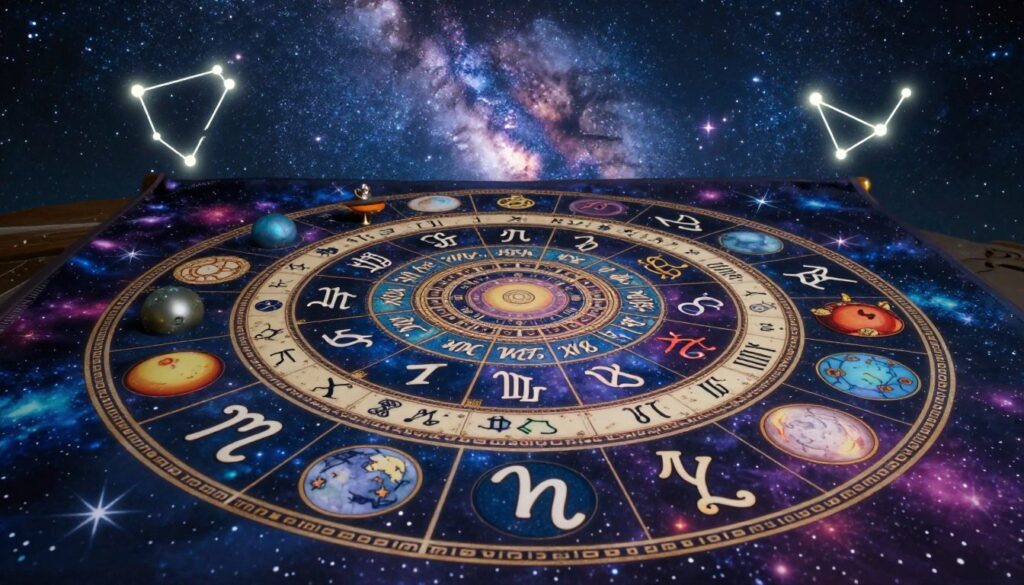
Natal for self-understanding
The natal chart is the backbone. It maps strengths, challenges, and timing rhythms you can plan around.
Horary for pressing yes/no questions
Horary casts a chart for the moment you ask. Use it when you need a quick, focused answer at a fork in the road.
Electional for choosing the right date
Electional work picks start dates that reduce friction. Entrepreneurs and planners use it to align launches, moves, and ceremonies.
Relationship and synastry for support systems
Synastry compares charts to reveal supportive dynamics and pressure points inside teams, families, and partnerships.
Mundane cycles for the wider world backdrop
Mundane study maps large-scale trends—economic and political cycles—so you plan with the broader world weather in mind.
How to choose: Are you starting something, asking a clear question, learning about yourself, aligning with a partner, or tracking the world? If unsure, consult experienced astrologers for depth and accuracy; a short reading can point you to the right specialty.
Relationship Patterns: How People Help or Hinder Your Momentum
Close relationships often act like accelerators or anchors for the projects you care about.
Synastry compares two charts to show where energy meets flow or friction. Trines to personal planets often energize effort and morale.
By contrast, repeated squares to the Moon or Mars can drain willpower and raise conflict. Spotting these patterns helps you protect momentum.
Composite charts and shared purpose
A composite chart is the relationship’s own map. It clarifies the pair’s public face, common aims, and zones needing joint work.
- Deal-makers: supportive aspects in cardinal signs that launch projects.
- Deal-breakers: chronic oppositions that stall decisions or split priorities.
Practical tips: agree on routines, allocate decision roles, and schedule brief check-ins during tense transits. Use planetary language as neutral wording to set boundaries without blame.
| Pattern | What It Shows | Simple Action |
|---|---|---|
| Trine to Sun | Energy, encouragement | Co-create goals; assign roles |
| Square to Moon | Emotional friction | Set check-in times; clarify needs |
| Composite Saturn | Shared long-term structure | Break tasks into milestones |
| Repeated Mars contacts | Conflict or drive | Channel into short sprints |
Quick worksheet: name one energizing link and one draining link, then list two micro-actions to amplify support or reduce drag. Awareness changes influence—use it to design better support systems that keep projects moving.
Astrocartography: Places on Earth That Spark Flow Instead of Friction
Certain places seem to open doors, while others slow you down—locational maps show why. Astrocartography plots your natal lines across the globe so you can see where career, love, or healing are likeliest to thrive.
Reading planetary lines for career, love, and healing
Sun lines tend to boost vitality and visibility. Venus lines favor relationships and ease. Saturn lines bring structure and tests that build resilience.
“A place can act like a lens: it magnifies certain strengths and shrinks others.”
Relocation, travel, and remote activation tips
At a glance, spot which key lines cross regions you feel drawn to. Shortlist three locations, compare the dominant planet lines and local culture, then time visits during supportive transits.
- Research industry fit and daily life before you move.
- Plan trial visits and note how each place affects your energy.
- Use remote activation: connect online with communities or work tied to that region before committing.
| Planet Line | Typical Gift | Common Challenge | Suggested Use |
|---|---|---|---|
| Sun | Visibility, confidence | Overwork, ego strain | Career launches |
| Venus | Harmony, connections | Dependence, comfort traps | Relationships, art |
| Saturn | Discipline, structure | Restriction, slow pace | Long-term projects |
| Neptune | Healing, creativity | Confusion, idealizing | Retreats, spiritual work |
Note: location can unlock flow, but inner work and practical planning matter everywhere. Keep a travel journal to refine how different world regions affect your goals and moods.
Astrology and Science: Skepticism, Evidence, and Your Lived Experience
Looking to the heavens has always mixed observation with meaning-making, which creates different standards of proof. Since the Enlightenment, critics have tested celestial claims and found little empirical support. Historical debate stretches from antiquity through the 3rd century and into modern times, so skepticism and practice have coexisted across each century.
Astronomy vs astrology: different methods, different aims
Astronomy measures physical phenomena with instruments, models, and repeatable tests. It asks how planets move and why.
Astrology interprets symbolic meaning and offers practical tools for reflection. The two fields share history—figures like Ptolemy worked at both—but they follow distinct standards of evidence today.
How to track your own transits and results
Be pragmatic: treat chart work as a reflective study and test it on your life. Keep a simple log for each transit.
- Record date the transit perfects, the planet involved, and the life area affected.
- Write one expected outcome, then note actual results over two to eight weeks.
- Compare expectations vs outcomes to reduce confirmation bias.
Share your notes with a trusted practitioner for added perspective. Use critical thinking and humility: weigh what helps you and discard what doesn’t. In the end, your lived experience matters most—blend practical planning with thoughtful reflection.
Working with Astrologers: What to Ask and How to Prepare
Hiring a chart reader can turn fuzzy feelings into clear next steps. A short, focused session works best when you arrive with accurate facts, practical aims, and an idea of the approach you prefer.
Choosing a reputable practitioner and tradition
Look for transparency: training, published work, or case studies help show skill and ethics. Ask about methods and which branch they practice—natal, horary, electional, relationship, or locational.
Decide which tradition fits your goal. Modern psychological styles suit self-understanding. Hellenistic or Vedic methods work well for technical timing questions. Pick the one that feels honest to you.
Key questions to bring for timing, career, and relationships
- What are the best windows to launch, pivot, or pause, and on what date or time do they fall?
- Which career areas to prioritize now, and what trade-offs should I expect?
- How can I strengthen or reset a relationship—what practical steps map to major transits?
How to integrate insights without giving up agency
Use readings as guidance, not orders. Ask for plain-English timelines and clear trade-offs so you can weigh options against responsibilities and values.
After a session, summarize key takeaways, set calendar reminders for dates discussed, and plan small actions that align with the timing offered.
| What to Check | Why It Matters | Simple Action |
|---|---|---|
| Training & portfolio | Shows method and consistency | Request sample reports or references |
| Clear scope & ethics | Prevents overreach and vague promises | Agree on session goals before booking |
| Accurate birth data | Date, time, and place change readings | Bring verified birth certificate info |
| Follow-up plan | Keeps insights actionable | Set 1–3 tasks and reminders |
Fit matters: if you don’t feel heard, try another reader. Good collaboration helps people use guidance to move forward while keeping personal choice central.
Self-Guided Practices to Get Unstuck Using Your Chart
Treat your birth chart like a calendar of personal weather. Small, timed checks help you notice patterns and convert stuckness into action.
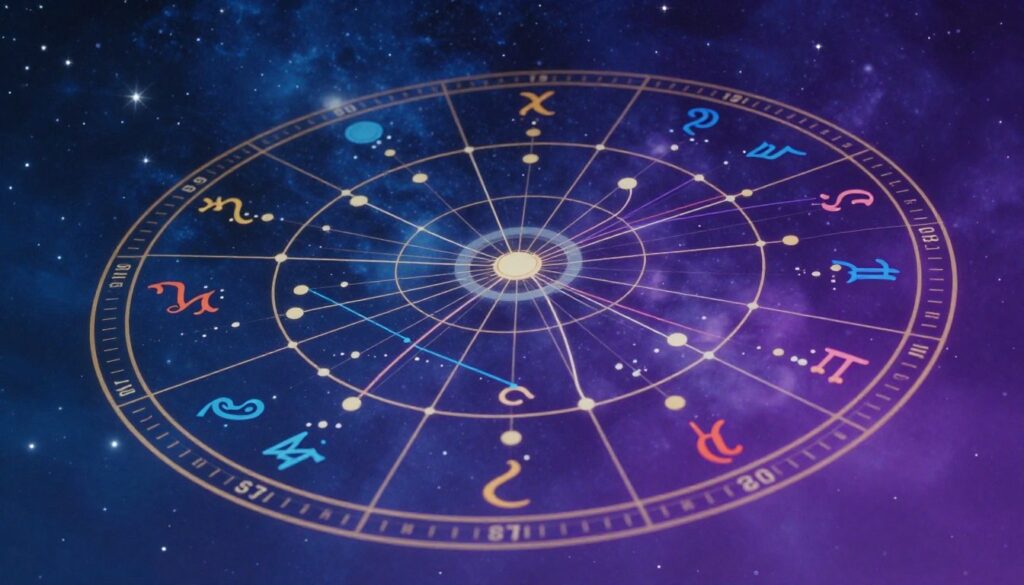
Step-by-step: pull, read, and annotate your map
Go to a reliable chart site and cast a natal chart for your birth moment. Note the Ascendant, Sun, and Moon first.
Mark three key placements that link to current goals—house placements, ruling planets, and tight aspects. Annotate each house with a simple note: career, home, relationships, or money.
Monthly check-in: new/full moons, eclipses, and top transits
Every new moon set one clearing intention in the house it falls. At full moon, record results and adjust the next intention.
Use eclipses as quarterly checkpoints—ask what needs bigger course correction. Each month, list two to three transits that touch your natal points and plan one supportive action for each.
Journaling prompts by planet and house
Saturn: What commitment deserves structure? Mars: Where can you take decisive action this week? Venus: How will you restore harmony?
Moon by house: note emotional needs and quick wins. Sun by house: track where to show up visibly. Translate notes into calendar items and tiny habits.
Weekly ritual and micro-actions
Do a short weekly review: compare chart notes to actual results and tweak plans. Declutter on waning moons; begin projects on waxing moons; rest during intense retrograde moments.
Remember: the way forward is iterative—small aligned steps add up. Use this rhythm to build pattern recognition across times and seasons.
Tools for the Present Moment: Charts, Apps, and Timelines to Watch Now
Real-time charting tools make it easy to spot which sky movements matter for your next steps. Use apps that show planetary positions and active transits so you see at a glance what is happening today.
Pick tools that score high for accuracy and transparency. Look for clear explanations, customizable alerts, and the option to add your natal points.
Build a personal timeline: mark retrogrades, eclipses, and lunations for the next quarter. Tie each entry to a goal or responsibility so the dates become actionable prompts.
- Add top natal sensitive points so the app alerts you when aspects perfect.
- Tag entries by signs zodiac or houses to reveal patterns over months.
- Choose apps with exportable calendars and plain-English summaries.
Quick-start watch list: upcoming major lunations, eclipse windows, and standout transits. Note the exact dates and set one small task for each.
“Ten minutes weekly with your calendar and chart will turn vague worry into planned steps.”
Use these tools as assistants in your study, not authorities. Your choices and observations remain central to moving forward.
Conclusion
Conclusion: Wrap up with a short, testable plan: identify the main friction in your chart, choose one aligned action, and set a date on your calendar this week.
You learned how to read a birth chart, spot tight aspects and key positions, and match action to helpful timing windows. This guide shows practical tools—transits, horary, electional work, and locational checks—to turn pause into motion.
Science and astronomy differ from symbolic study, yet many people find value tracking planets and signs as a reflective method. Use this material as a living toolkit: refine notes, log dates and events, and check real outcomes.
Choose one life area, pick a planet or sign theme at play, schedule one small step, and consider consulting experienced astrologers for complex issues. Feeling stuck is temporary; your chart and steady action can light a clear next chapter.
FAQ
Why do I feel stuck right now?
Feeling stuck can happen when planetary movements form tense angles in your birth chart, like Saturn returns or hard squares. These patterns often mirror life tests—career delays, relationship strain, or internal resistance—that push you to reassess priorities and build new skills.
Can a birth chart really explain my current life blocks?
Yes. A birth chart maps positions of planets, signs, houses, and aspects at your birth moment. Those placements highlight likely pressure points—areas where you may face repeated challenges or growth opportunities—helping you see why similar issues recur.
What are the core chart parts I should know to get unstuck?
Focus on four building blocks: planets (the actors of drive and conflict), zodiac signs (styles and elements), houses (life areas where issues show up), and aspects (angles that create friction or flow). Together they form a practical map for change.
How do transits and progressions signal a time of stuckness?
Transits and progressions track current planetary movement against your natal chart. Long, slow cycles—Saturn or outer-planet transits—often bring delays and lessons. Faster transits like Mars or Mercury can trigger short-term frustration or review periods.
What’s the real deal about Mercury retrograde?
Mercury retrograde usually highlights review, revision, and communication glitches rather than magical disaster. Use it as a chance to revisit plans, back up data, and rethink decisions instead of launching major new projects.
How do elements and modalities affect my momentum?
Elements (Fire, Earth, Air, Water) describe where motivation begins: Fire sparks action, Earth builds steady progress, Air plans and connects, Water feels and processes. Modalities (Cardinal, Fixed, Mutable) show whether you initiate, sustain, or adapt—use that to tailor your approach.
Do different astrological systems give different answers?
Yes. Western (tropical) charts differ from Vedic (sidereal) by zodiac framework; Chinese and Mayan systems use distinct cycles and timing. Each lens offers unique timing and emphasis, so choose the system that resonates with your goals.
How can I use my chart to choose the right timing for change?
Look at electional principles and transits to pick favorable windows. Beneficial aspects from Jupiter or Venus can ease openings, while avoiding heavy Saturn or Pluto overlays for major launches reduces friction. Professional astrologers can fine-tune timing for career and relationships.
What are practical self-guided steps to get unstuck using my chart?
Pull your birth chart, annotate planetary placements, and mark recurring hard aspects. Keep monthly check-ins on new/full moons and top transits, use journaling prompts tied to houses, and set small action steps aligned with supportive transits.
How should I choose and prepare to work with an astrologer?
Pick a reputable practitioner with transparent methods and clear client reviews. Prepare by noting birth data (date, time, place), your top questions, and examples of repeating patterns. Ask about their approach—natal, horary, electional—and how they translate insights into practical steps.
Are there tools or apps that help track current transits and timing?
Yes. Reliable chart apps and websites provide transit trackers, ephemerides, and personalized timelines. Use them to monitor eclipses, nodal shifts, and key planetary cycles so you can plan reviews and actions in real time.
How do relationships show up as blocks or supports in a chart?
Synastry aspects reveal where two people energize or drain each other; composite charts show the relationship’s shared mission. Identifying challenging aspects helps you set boundaries, while supportive lines point to cooperation and momentum.
Can moving or traveling change how stuck I feel?
Yes. Astrocartography maps planetary lines across the globe; some locations amplify career, love, or healing energies. Relocation or targeted travel can activate different parts of your chart and help shift stuck patterns.
Is there scientific support for using charts to guide choices?
Astronomy and astrology are separate: astronomy studies celestial bodies; chart-based systems interpret symbolic timing and cycles. While empirical evidence is mixed, many people find tracking transits and outcomes helpful as a structured self-observation tool.
What’s the difference between natal, horary, and electional approaches?
Natal astrology maps lifelong tendencies. Horary answers a specific question using the moment it’s asked. Electional astrology helps pick an auspicious time for actions. Each branch serves different practical needs when you’re seeking movement.
About Me:

Musa Hossain, A Modern Astrologer, Palmist, Occultist Scientist and Gemologist
Our Astrological Gemstone
-
 Natural Red Coral
Price range: $225.00 through $400.00
Natural Red Coral
Price range: $225.00 through $400.00
-
 Natural Blue Sapphire
Price range: $1,500.00 through $3,000.00
Natural Blue Sapphire
Price range: $1,500.00 through $3,000.00
-
 Natural Sea Pearl
$400.00
Natural Sea Pearl
$400.00
-
 Natural Yellow Sapphire
Price range: $350.00 through $650.00
Natural Yellow Sapphire
Price range: $350.00 through $650.00
-
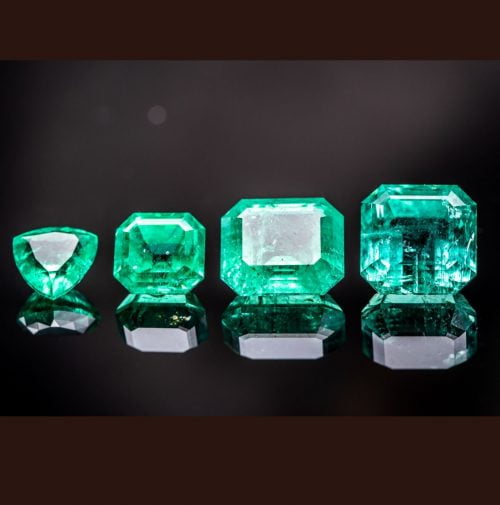 Natural Emerald Gemstone
Price range: $300.00 through $550.00
Natural Emerald Gemstone
Price range: $300.00 through $550.00

Connect me