
Astrology Houses Cheat Sheet for Beginners
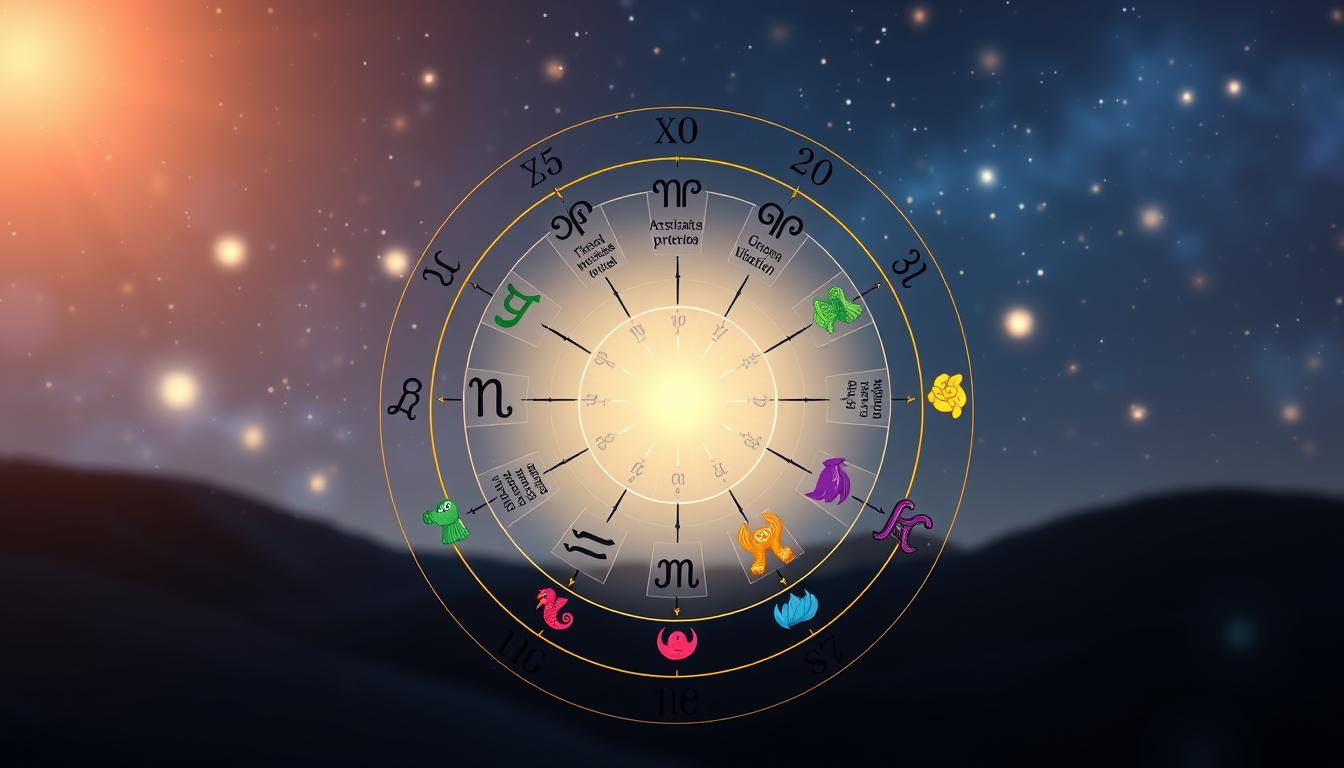
You likely know your sun sign, but your personal cosmic blueprint goes much deeper. Your natal chart is a snapshot of the sky at your exact moment of birth. It is divided into twelve powerful sectors called houses.
Each house governs a specific area of your life, from identity to career to relationships. Understanding this system unlocks profound personal insight. It reveals how planetary energies manifest in your daily world.
This ultimate guide breaks down these essential concepts into clear, actionable information. Consider it your comprehensive reference for interpreting your own chart. We move beyond just signs to the complete picture.
You will learn the distinct roles of zodiac signs versus these life sectors. You’ll gain practical tools for reading the interaction of planets, signs, and houses. This knowledge makes your chart interpretation accurate and personally meaningful.
Our approach uses simple keywords and real-world examples. This demystifies the influence of each area, turning a complex chart into a tool for self-discovery. It’s designed for both new learners and those needing a quick refresh.
Key Takeaways
- Your birth chart provides a complete picture beyond your sun sign.
- The twelve houses represent different core areas of life experience.
- Understanding houses leads to deeper, more accurate personal insights.
- This guide simplifies complex astrological concepts for beginners.
- You’ll learn to interpret the interaction of planets, signs, and houses.
- It serves as both an educational resource and a practical reference.
- The goal is to make natal chart analysis accessible and meaningful.
Introduction to Astrology Houses
Many people recognize their zodiac sign, but the houses in a natal chart reveal where life’s energies actually play out. These twelve sectors form the foundation of personal interpretation.
Understanding the Zodiac Wheel vs. Astrological Houses
The zodiac and the house system are two separate wheels in your chart. The zodiac is based on the sun’s yearly path. Houses are based on Earth’s daily spin.
Your exact birth time and location snap these wheels together. This creates a unique personal map. The table below clarifies the core differences.
| Aspect | Zodiac Wheel | Astrological Houses |
|---|---|---|
| Basis | Sun’s annual journey | Earth’s daily rotation |
| Time Frame | Seasonal (yearly cycle) | Diurnal (24-hour cycle) |
| Primary Role | Signs show how energy behaves | Houses show where energy focuses |
| Calculation | Birth date | Birth time & location |
Why Houses Matter in Your Birth Chart
Houses add crucial specificity. Two people can share a Leo Sun sign. If one has it in the first house and another in the twelfth, their personalities differ vastly.
Planets represent the “what” – the type of cosmic force. Signs describe the “how” – the style of expression. Houses define the “where” – the life area where it all happens.
This is why generic sun sign forecasts are imprecise. They assume everyone’s Sun is in the first house. Understanding your real house placements makes chart analysis accurate and deeply personal.
How Astrology Houses Influence Life Areas
Each house acts as a stage where planetary actors perform. They direct cosmic drama into particular areas of your reality. The twelve sectors follow a natural growth pattern.
This pattern mirrors human development from self-awareness to complex relationships. It creates a complete framework for understanding all major life experiences.
Mapping Houses to Aspects of Life
The first house begins with personal identity. Subsequent areas cover values, communication, home, and creativity. This progression continues through service, partnerships, and transcendence.
Every house corresponds to a specific domain of existence. Your chart shows which aspects of life are most active for you.

The Role of Planets and Signs Within Houses
Planets provide the energy and represent different facets of personality. They are the “what” in your chart. The zodiac sign coloring a house shows “how” that energy expresses itself.
The house itself determines “where” this energy manifests in daily life. This creates a powerful three-part interpretation system.
| Component | Role | Question Answered |
|---|---|---|
| Planet | Source of energy | What is active? |
| Zodiac Sign | Style of expression | How does it behave? |
| House | Area of manifestation | Where does it happen? |
True insight comes from synthesizing all three elements. Intuition helps connect them to your personal journey. This approach makes chart reading meaningful rather than rigid.
Exploring the 12 Houses in Detail
The twelve sectors of your birth chart form a complete map of human experience. It guides you from personal identity to universal connection. Understanding each area unlocks deeper insight into your unique path.
The Journey from Self to Transcendence
This system follows a symbolic journey. It begins with the self and conscious will in the first house. The path concludes with subconscious unity in the twelfth.
Each step represents a new chapter of growth. You move from establishing your identity to sharing resources with others.
Examples: House of Self, House of Value, & More
Let’s look at the first few areas. The First House, or House of Self, rules your appearance and how you start projects. It’s all about your core identity.
Next, the Second House governs money, possessions, and personal values. The Third House then covers communication, early learning, and siblings.
| House Number | Common Name | Ruling Sign | Key Life Areas |
|---|---|---|---|
| 1st | House of Self | Aries | Identity, Appearance, Initiative |
| 2nd | House of Value | Taurus | Money, Resources, Self-Worth |
| 3rd | House of Communication | Gemini | Learning, Siblings, Local Environment |
Essential Astrology Houses Cheat Sheet
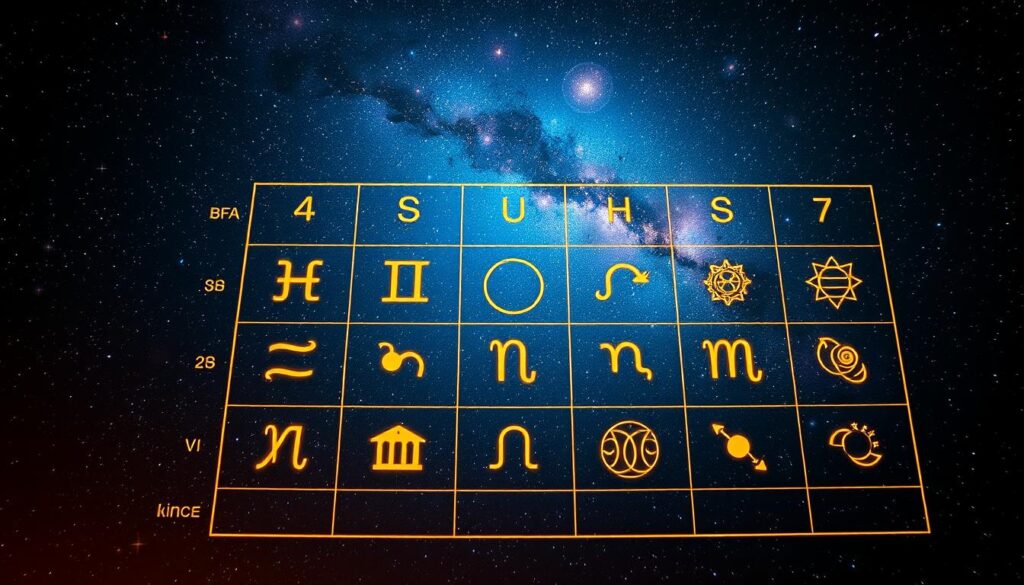
To truly decode your natal chart, you need a simple reference that connects its core components. This guide consolidates the three essential layers into memorable keywords for quick interpretation.
Interpreting the Interaction of Planets, Signs, and Houses
Accurate insight comes from synthesizing all three elements. Use the table below as your key reference guide.
| Component | Primary Role | Keyword (Core Concept) | Keyword (Expression/Drive) |
|---|---|---|---|
| Sun | Planet | Ego, Identity | – |
| Moon | Planet | Nurturer, Emotions | – |
| Mercury | Planet | Communicator | – |
| Aries | Zodiac Sign | Warrior | To Survive |
| Taurus | Zodiac Sign | Builder | To Have |
| Gemini | Zodiac Sign | Messenger | To Think |
| Houses 1-12 | Life Area | Where energy manifests | – |
The practical method is straightforward. First, identify the planet, sign, and house involved. Then, combine their keywords from the table.
For example, Venus in Gemini in the 3rd House suggests a lover and relator (Venus) who expresses through curious communication (Gemini) within local community and learning (3rd House). Let your intuition connect these dots.
Advanced Techniques for Reading Your Chart
The real power of chart reading emerges when you learn to blend universal symbols with your unique life narrative. This moves you from textbook definitions to meaningful personal insight.
Your birth data creates a one-of-a-kind cosmic snapshot. The archetypes of signs and planets are flexible frameworks. Your personal history gives them specific shape.
Integrating Archetypal Keywords and Personal Insights
Start by breaking any placement into its three parts. Identify the planet, the sign, and the house. Write down the core keyword for each.
Then, journal about how this combination shows up for you. Does Mars in Libra in your 7th house describe your approach to debates with partners? This bridges symbols and lived experience.
Context is everything. The same aspects can manifest differently based on your personality and life stage. Your intuition connects the dots.
Practical Exercises for Workshop-Level Understanding
Try this structured exercise to deepen your practice. It builds interpretation skills systematically.
| Step | Action | Purpose |
|---|---|---|
| 1. Isolate | Pick one planet from your chart. Note its sign and house. | To focus on a single energy source. |
| 2. Define | Research the planet’s core drive, the sign’s style, and the house’s life area. | To understand each component’s archetypal role. |
| 3. Reflect | Journal examples from your life that match each piece separately. | To ground each symbol in personal reality. |
| 4. Synthesize | Write a short paragraph weaving all three parts into one story. | To create a coherent, personalized interpretation. |
| 5. Compare | Analyze the same planet in a friend’s chart placed differently. | To see how the same energy manifests in unique ways. |
Regular practice like this builds your confidence. You learn to see the chart as a dynamic reflection of your personality journey.
Conclusion
Ultimately, your natal chart is less about prediction and more about understanding your unique potential. It transforms simple sun sign knowledge into a profound tool for self-discovery. The twelve sectors show exactly where planetary energies focus in your daily life.
Accurate interpretation hinges on your precise birth time and location. This data sets your personal map apart, even from others who share your sun sign. It makes your chart reading deeply personal and specific to your personality.
Use this guide as a living reference. Return to it as you observe planets moving through different life areas. Your journey with your birth chart is a continuous, rewarding path of self-awareness.
FAQ
What is the main difference between zodiac signs and the houses in my birth chart?
Think of your zodiac signs as *what* your energy is like—your core personality traits. The houses show *where* you apply that energy in your daily life. Your signs describe your character, while the houses are the stages of life where your story unfolds.
How do I find out which planet rules a specific house in my personal chart?
You’ll need to look at your complete birth chart. The planet that rules the zodiac sign on the cusp, or starting edge, of a house becomes its ruler. For example, if Gemini is on your 2nd House of money, its ruling planet, Mercury, influences your approach to finances and resources.
Can the condition of my 6th House predict my future health?
Not predict, but illuminate. The 6th House relates to daily habits, routines, and physical well-being. Planets there can show your natural vitality and areas needing care. It’s less about fate and more about understanding your body’s energy and potential vulnerabilities to make proactive choices.
Why are both the 4th and 10th Houses important for my career and reputation?
Your career and public reputation (10th House) are built upon the private foundation of your family, home, and sense of security (4th House). The 4th House represents your roots and private self, while the 10th shows your public achievements. A strong foundation at home often supports lasting success in the world.
If I have an empty house in my chart, does it mean that area of life is unimportant?
Not at all. An empty house simply means that area of life may run more smoothly or be less complicated. You still experience that life department. Look to the planet that naturally rules the sign on that house’s cusp for clues about its themes. Its transformation and lessons are still part of your journey.
About Me:

Musa Hossain, A Modern Astrologer, Palmist, Occultist Scientist and Gemologist
Our Astrological Gemstone
-
 Natural Red Coral
Price range: $225.00 through $400.00
Natural Red Coral
Price range: $225.00 through $400.00
-
 Natural Blue Sapphire
Price range: $1,500.00 through $3,000.00
Natural Blue Sapphire
Price range: $1,500.00 through $3,000.00
-
 Natural Sea Pearl
$400.00
Natural Sea Pearl
$400.00
-
 Natural Yellow Sapphire
Price range: $350.00 through $650.00
Natural Yellow Sapphire
Price range: $350.00 through $650.00
-
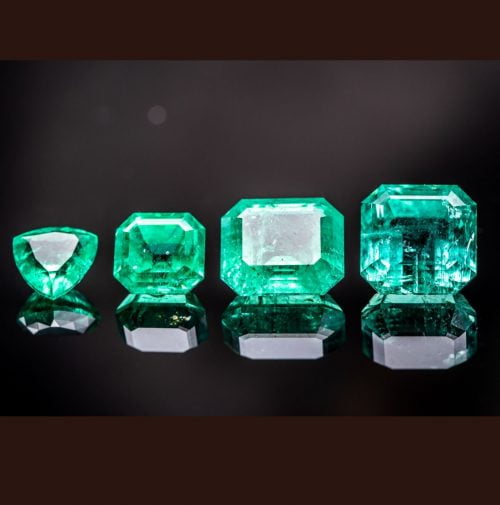 Natural Emerald Gemstone
Price range: $300.00 through $550.00
Natural Emerald Gemstone
Price range: $300.00 through $550.00

Connect me