
Your Career Is Written in Your Birth Chart – Here’s How to Read It

Ready to link your natal chart to real-world tools for career growth? This short guide blends practical astrology with clear gemology facts so you can make informed choices.
Your natal chart reveals timing, strengths, and vocational themes. Paired with the right gem, you can amplify focus, visibility, and resilience at work.
We’ll cover what to read in your chart, planet-to-stone pairings, quality and value basics, treatments, and certification. You’ll also learn how colors and optical effects change under office lighting and why that matters.
This guide honors symbolic practice and market standards. Expect practical examples that map leadership, creative, and analytical tracks to supportive stones. You’ll get actionable information to discuss sourcing, ethics, and budget with jewelers and gem labs.
Key Takeaways
- Use your birth chart to find career themes and timing.
- Planet-to-stone pairings can boost focus and presence.
- Learn quality, treatments, and certification basics before purchase.
- Color and light affect how a stone reads in the office.
- Consider sourcing and market value when choosing jewelry.
How Astrology and Gemstones Work Together for Career Clarity
Use your chart’s career angles to choose a gem that supports the skills and timing you need.
Planets describe practical drivers: the Sun rules leadership and visibility; Mercury guides communication and strategy; Jupiter supports growth and mentorship; Saturn brings discipline and structure.
Match the planet that rules your Midheaven (MC) or 10th house to a corresponding stone. This creates a simple, repeatable framework for intention and focus.
- Timing: add a gem during key transits—promotions, pivots, or when learning new skills.
- Practical use: wear a small ring or pendant at work and journal changes in mood and performance.
- Durability and properties: confirm hardness and wearability for daily office use.
Examples: Saturn-heavy times pair well with Blue Sapphire for structure; Mercury periods favor Emerald for clearer messaging. Choose a color and variety you like so you’ll actually wear the piece.
Tip: When investing, seek certification (GIA, IGI, Gübelin) to verify identity and treatments.
Reading Your Birth Chart for Career: The Essentials
Your natal chart points to the roles and rhythms that shape your public life and job path. Start by identifying the Midheaven (MC) and the 10th house—they mark reputation and career direction.
MC ruler: Note the sign on your MC, then find that planet in your chart. Its sign, house placement, and aspects reveal your career tone and preferred work environment.
Key planets that guide vocation
- Sun: leadership and visibility.
- Moon: team trust and emotional climate.
- Mercury: communication, learning, and strategy.
- Mars: drive, performance, and courage.
- Jupiter: growth, mentors, and openings.
- Saturn: structure, mastery, and long-term standing.
Timing: transits and career windows
Watch transits to the MC, planets in the 10th house, and cycles of Saturn and Jupiter for promotions, pivots, or rebrands.
Use reliable chart software or a professional astrologer if your birth time is uncertain; small errors shift house cusps and change interpretations.
Journal transit effects and career outcomes. Over time you’ll refine timing and know when to act in a promotion or job change window.
| Chart Marker | Planet Role | Suggested species/variety | When to activate |
|---|---|---|---|
| Midheaven (MC) | Public reputation, aim | Corundum (sapphire/ruby) | Transit to MC; job launch |
| 10th House Planets | Career theme, duties | Beryl (emerald/aquamarine) | Planets returning to 10th house |
| MC Ruler Location | “Boss” planet for work | Appropriate gem variety for that planet | Ruler return or strong aspect |
| Saturn/Jupiter Cycles | Consolidation vs. expansion | Durable mineral species for daily wear | Saturn/Jupiter transits |
Practical tip: Match a single comfortable gem to the planet you want to emphasize. Choose the species and variety for durability and the color you’ll actually wear. One well-made piece offers more supportive energy than an unused collection.
Planet-to-Gem Pairings for Professional Goals
Align a planet’s career message with a supportive stone to make workplace goals more tangible. Below are concise pairings and how to use them during key transits or role changes.
Saturn — Blue Sapphire
Focus and systems thinking: Blue sapphire can anchor long-term goals during heavy responsibility phases tied to Saturn or a 10th-house emphasis.
Choose durable corundum when you need structure and rapid advancement in leadership tracks.
Sun — Ruby
Visibility and confidence: Ruby supports presentations, brand presence, and executive exposure when your Sun themes rise.
Corundum varieties like ruby work well in visible settings; prioritize strong color and cut for impact.
Mercury — Emerald
Clear communication: Emerald aids messaging, negotiations, and learning during Mercury-activated times.
Beryl varieties like emerald suit communicators; consider clarity and treatment reports before buying.
Jupiter, Moon, Mars, Nodes
Jupiter: Yellow sapphire boosts mentorship, promotions, and positive growth.
Moon: Pearl steadies mood, rapport, and client trust in team-facing roles.
Mars: Red coral powers courage, performance bursts, and competitive sprints.
Rahu/Ketu: Hessonite and Cat’s Eye should be used cautiously—ideal for politics, risk calibration, and intuition when guided by a pro.
Practical notes: Match durability and color to daily needs, test short wear sessions, and verify identity and treatments with reputable labs before major investment.
Gemstones: What They Are and How They’re Classified
Understanding the main types makes buying and care easier. A gem can be a mineral, a rock made of multiple minerals, or an organic piece like pearl or amber.

Mineral vs. rock vs. organic
A mineral has a defined chemical formula and crystal structure. Rocks, such as lapis lazuli, combine minerals and behave differently under the jeweler’s saw. Organic material needs gentler care.
Species and variety explained
Species names the mineral group; variety identifies the color or look. For example, the corundum species includes ruby (red) and sapphire (other colors). The beryl species covers emerald and aquamarine, plus morganite and heliodor.
“Quality and rarity, not old labels, drive value in today’s market.”
Crystal systems, hardness, and wear
Crystal structure affects cut and optical effects: diamond is isometric; corundum is trigonal; beryl is hexagonal. Hardness and toughness determine daily wearability; some stones need protective settings.
| Category | Example | Crystal system | Durability |
|---|---|---|---|
| Mineral | Diamond | Isometric | Very high (daily wear) |
| Species/variety | Corundum: ruby, sapphire | Trigonal | High (durable) |
| Species/variety | Beryl: emerald, aquamarine | Hexagonal | Variable (protect emeralds) |
| Organic / Rock | Pearl, amber, lapis | Not crystalline / mixed | Low to moderate (careful wear) |
Tip: Know the types and classifications before purchase. World sources influence rarity and price, and lab reports will use species/variety language and list common treatments.
Selecting Career Gemstones by Chart Placement
Start by tracing the MC ruler and pick a stone that supports the role you want to step into.
Find the planet that rules your Midheaven (MC). If your MC is Capricorn, Saturn rules it — consider Blue Sapphire. If it’s Gemini, Mercury rules and Emerald is a natural choice.
Choosing by MC sign and ruler
Match rulership to a gem species. Identify the MC ruler, then select a gem linked to that planet. This gives focus and alignment at work.
Tailoring to 2nd, 6th, and 10th house needs
Think of each house as a goal type: 2nd for income, 6th for daily skills, 10th for status. Use the house ruler to guide selection.
- Example: Gemini MC → Emerald for clearer messaging and negotiation.
- Example: Sagittarius MC → Yellow Sapphire to support growth and mentoring.
| Chart Point | Goal | Recommended gem | When to test |
|---|---|---|---|
| MC ruler | Visibility / role | Ruby / Sapphire / Emerald | Presentations, promotions |
| 2nd house ruler | Income / resources | Durable, high-quality gem for daily wear | Negotiations, contract signings |
| 6th house ruler | Workflow / skills | Comfortable stone with steady color | Training days, workflow sprints |
| 10th house planets | Status / reputation | Eye-catching stone with good cut and clarity | Brand launches, media events |
Practical steps: prioritize properties like durability and comfort. Test a gem on low-stakes days, then wear it for interviews or pitches while journaling results.
Signature Stones for Career Tracks
Match a stone’s properties to your job demands—presentation days, deep-focus sprints, or client meetings. Pick pieces that feel comfortable and practical for daily use.
Corporate leadership and entrepreneurship
Ruby boosts executive presence; Blue Sapphire brings structure. Yellow Sapphire helps scale and mentorship. Choose discreet jewelry—slim bands or small pendants—that signal polish without distraction.
Creatives, communicators, and educators
Emerald supports clear messaging and learning. Pearl steadies rapport and empathy. Pick color-rich varieties that inspire attention without overpowering a presentation.
Analysts, technologists, and finance professionals
Blue Sapphire gives long-term rigor; Emerald aids data storytelling. Add Red Coral for fast, decisive execution during sprints. Favor low-profile settings so stones don’t catch on keyboards.
Care, wellness, and service vocations
Pearl calms clients and builds trust. Yellow Sapphire brings optimism. Use soft colors and comfortable settings to keep sessions serene and professional.
“Choose pieces that elevate your image and fit your routine—rotate stones by weekly priorities and test wear before big days.”
- Match variety and properties to tasks (presentations, code reviews, client sessions).
- Confirm identity and treatments with respected labs before investing in jewelry.
- Consider durability, cleaning needs, and perceived value when choosing stones.
Quality and Value: Applying the Four Cs to Your Career Stone
Quality matters more than size when picking a career stone. For colored varieties, color — saturation and tone — drives value first. Rich, well-saturated hue makes a piece read confidently in meetings and photos.
By contrast, diamonds are graded primarily by GIA’s four Cs where cut and clarity shape brilliance. A well-cut diamond shows more sparkle face-up, so a smaller, excellent-cut stone can outshine a larger, shallow one.
Cut, clarity, carat, and face-up presence
Cut affects brilliance and how clean a stone looks at work. Choose a clean face-up appearance over sheer carat if you want daily polish.
Clarity expectations differ by variety. Emeralds commonly have inclusions; those are normal and don’t always reduce value the way they do in diamonds.
Inclusions, “water,” and optical effects
Water historically meant transparency and brightness—“first water” = very clear. Transparency impacts how a stone reads under office lighting and in photos.
Optical phenomena (silk, asterism, or cat’s eye) can add unique presence but may lower market price for those seeking pure color or brilliance.
When origin matters—and when it doesn’t
Origin can command premiums, yet labs sometimes disagree on source. Focus on documented quality, cut, and color rather than chasing a label alone.
- Compare similar variety, color grade, and cut to judge value.
- Prioritize color and cut that flatter your skin tone and wardrobe for daily wear.
- Inspect craftsmanship—secure settings and even prongs add to long-term value.
“A smaller, well-cut stone often reads more professional than a larger, poorly cut one.”
Treatments You Should Know Before You Buy
Before you buy, know which enhancements can change a stone’s look, strength, and price.
Common treatments: heat (rubies, sapphires, aquamarine), irradiation (blue topaz, green quartz), oiling (emeralds), waxing/impregnation (turquoise), fracture filling (rubies, emeralds), and bleaching (pearls, jade).
How they affect durability and beauty: Heat treatments are usually stable. Oiling and fracture filling can be less durable and need gentle care. Irradiation creates popular colors but must be disclosed; regulations control any residual radioactivity.
Value and care: Treated stones generally cost less than comparable untreated material. Filled emeralds and bleached pearls need mild cleaning and no heat or harsh solvents. Treatments can alter luster and color over time.
“Treatments don’t make a stone bad—just different in value and maintenance.”
| Treatment | Common examples | Stability & care |
|---|---|---|
| Heat | Rubies, sapphires, aquamarine | Stable; normal cleaning OK |
| Irradiation | Blue topaz, green quartz | Stable when disclosed; check regulations |
| Oiling / Waxing | Emeralds, turquoise | Less stable; avoid ultrasonic cleaners |
| Fracture filling | Rubies, emeralds, some diamonds | Can degrade; sensitive to heat and solvents |
| Bleaching | Pearls, jade | May reduce long-term sheen; gentle care required |
What to request: Ask for written disclosure of identity, treatments, and care instructions. For higher-value purchases, get a lab report from GIA, IGI, AGL, Gübelin, or SSEF to confirm treatments and origin.
Certification and Trust: Labs that Protect Your Investment
Trustworthy documentation turns a beautiful stone into a verifiable asset for resale or insurance.
Leading labs—GIA, IGI, AGL, Gübelin, SSEF, AGTA-GTL, HRD, GAAJ, GIT, and AIGS—use rigorous methods to verify identity and treatments. Their reputations affect resale and buyer confidence across the world.
Why reports can differ: labs may use different naming, detection thresholds, or opinion on origin. Dealers sometimes submit to a favored lab, so verify the source and read the full report.
| Lab | Strength | Common use |
|---|---|---|
| GIA | Consistent grading; strong for diamonds and colored stones | High-value purchases, resale |
| Gübelin / SSEF | Deep origin work and treatments | Precious stones and rare species |
| AGTA-GTL / AGL | Specialist reports for colored gems | Market-focused colored gem sales |
What your report should state: species/variety identity, any detected treatments, and origin when determinable. A clear report supports insurance appraisals and future trade.
Practical steps: ask to see the original report, confirm the report number with the lab, and check for laser inscriptions when present. For higher-value gemstone buys, insist on a top-tier report to protect your purchase.
Cutting and Style: How to Wear Your Gemstone for Work
How a stone is cut and set changes how it behaves under office lights and with everyday wear.
Cabochon vs. faceted: durability and optical goals
Cabochons highlight surface luster and special effects like asterism or cat’s-eye.
They sit low and feel comfortable. Many opaque or semi-opaque gems are cut this way for steady, understated presence.
Faceted stones maximize internal reflection and brilliance.
Transparent gems need precise angles; a poor cut wastes sparkle and face-up size.
Rings, pendants, bracelets, and office-friendly options
Choose low-profile settings and bezels to protect edges during typing and commuting.
- Slim bands, delicate pendants, and small studs avoid snagging and suit conservative workplaces.
- Match style to role: presenters may opt for faceted pieces; analysts often prefer cabochons for calm focus.
- Check finishing—smooth prongs, symmetry, and secure settings improve daily wear and overall quality.
“One refined piece that fits your routine will read more professional than an unused collection.”
| Style | Best for | Durability |
|---|---|---|
| Cabochon | Comfort, phenomena | High in bezel settings |
| Faceted | Visual lift, brilliance | Needs secure prongs |
| Low-profile | Daily wear | Very durable |
Color Science in Plain English
The look of a gem comes from which wavelengths it absorbs and which it returns to your eye. Small amounts of impurities change color inside the same species—chromium makes emeralds green, iron shifts beryl toward blue.
Hue, tone, and saturation matter. Hue is the basic color. Tone is light-to-dark. Saturation is intensity. A vivid, well-saturated stone reads confident in photos and under office light.
Why colors shift under different light
Daylight is broad and makes colors pop. Office LEDs often skew cool or warm and can mute saturation. A true deep blue corundum may look brilliant in daylight but darker under warm indoor LEDs.
Pleochroism, dispersion, and brilliance
Pleochroism means a stone shows different colors from different angles; cutters orient material to balance that effect. Dispersion splits white light into spectral flashes. Brilliance is how well light returns to your eye.
“Inspect stones in the lighting you’ll actually wear them in—what looks great outside must read well in-office.”
| Effect | What it means | Practical tip |
|---|---|---|
| Hue / saturation | Color family and intensity | Choose saturation that stays lively under neutral office light |
| Pleochroism | Different colors from different angles | View stone face-up and on angle before buying |
| Dispersion / brilliance | Sparkle and white-light return | Prefer good cut for sparkle in photos and meetings |
| Species examples | Corundum (sapphires), amethyst | Test under daylight and your office LEDs |
Shopping tip: Bring a neutral background and inspect pieces in daylight and your workplace light. Trust your eye—comfort with how a stone looks all day matters more than any label.
Ethics and the Market Today
Global demand and ethical concerns are reshaping how people buy career-focused stones today.

The colored stone market sits near US$1.55 billion in 2023 and is forecast to rise toward US$4.46 billion by 2033. This growth affects availability, pricing, and buyer choice.
What that means: higher demand can tighten supply and push premiums for rare pieces. It also increases pressure on sources and local economies.
Global trends and sourcing realities
Key regions supply most material, and local conditions shape ethics and worker safety. Some world sources have strong community programs; others lack basic protections.
Sri Lanka is a historic example for sapphires—origin lore can add price but should be backed by documentation.
How to buy responsibly
Ask dealers about sourcing, labor standards, and treatment disclosures. Favor sellers who provide lab reports and clear provenance statements.
Simple ethics checklist:
- Written disclosure of treatments and identity.
- Independent lab report for high-value pieces.
- Seller policies on fair pay and community support.
“Transparency and verification matter more than origin stories when protecting value and communities.”
| Region | Common concern | Typical properties offered | Buyer action |
|---|---|---|---|
| Sri Lanka | Origin premiums, provenance claims | Rich blues and sapphires | Request lab origin statement |
| East Africa | Worker safety, traceability | Vivid colors; varied clarity | Seek sellers with chain-of-custody info |
| South America | Land rights, artisanal mining | Strong color in some beryl varieties | Verify community impact programs |
| Asia (mixed sources) | Complex supply chains for minerals | Wide range of treated and untreated pieces | Insist on treatment disclosure and lab reports |
Remember: properties buyers want—consistent color and clean face-up appearance—drive treatment use and pricing. Perfection is rare, but transparency and steady improvement make the market fairer for buyers and workers alike.
Care, Maintenance, and Longevity
A short, regular care routine prevents small problems from shortening a stone’s life. Proper maintenance keeps professional pieces polished and ready for the workplace for years.
Cleaning, storage, and avoiding heat and chemicals
Safe cleaning: Use mild soap, a soft brush, and lukewarm water. Rinse and pat dry with a lint-free cloth.
Avoid ultrasonic and steam cleaners for fracture-filled or delicate stones and for pearls. Keep treatment disclosures handy so your jeweler can advise proper care.
Store jewelry separately in soft pouches or compartments to prevent abrasion, especially for pearls and opal which scratch easily.
Wearability by hardness and toughness
Harder materials like quartz tolerate more daily use; softer or treated pieces need protective settings. Choose bezels or low-profile mounts for rings you wear every day.
- Remove jewelry before workouts, manual tasks, or exposure to solvents and chlorinated water.
- Check settings and prongs periodically—loose mounts can fail after years of wear.
- Wipe pearls after wear and avoid heat or chemicals that dull their surface.
“Consistent, gentle care extends the life and appearance of your professional pieces.”
Conclusion
Conclusion
End with a clear plan: read your MC and career houses, identify the ruling planet, then select a supportive gem species and variety that fits daily wear.
Blend astrological intent with gemological facts—verify species, treatments, and lab reports before investing. Prioritize color and how the stone reads in your office light over size alone.
Starter path: try a modest quartz or small corundum piece for a few weeks, journal effects, then upgrade with certified jewelry. For leadership pick ruby; for discipline, blue sapphire; for clear messaging, emerald; for growth, yellow sapphire.
With simple care and mindful sourcing—ask about origin and reports—many stones will serve for years. Let a thoughtfully chosen stone become a quiet ally that lifts presence, performance, and meaning at work.
FAQ
How can my birth chart show career direction?
Which planets matter most for vocation?
When should I add a gemstone to support my career?
Which stones pair with which planets for career goals?
How do I choose a gem based on my MC sign and ruler?
What should I know about gem types and durability for daily wear?
How important is color versus clarity when selecting a career stone?
What treatments should I ask about before buying a career stone?
Which labs should I trust for gemstone certification?
How do cut and setting affect workplace wearability?
Can gem optics change how a stone looks under office lighting?
Are there ethical considerations when buying career stones?
How do I care for my career gemstone to keep it effective and beautiful?
Which stones suit different career tracks?
How does market origin affect a gem’s price and career use?
About Me:

Musa Hossain, A Modern Astrologer, Palmist, Occultist Scientist and Gemologist
Our Astrological Gemstone
-
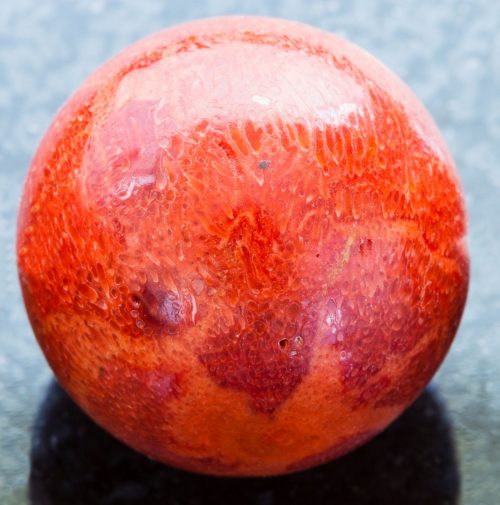 Natural Red Coral
Price range: $225.00 through $400.00
Natural Red Coral
Price range: $225.00 through $400.00
-
 Natural Blue Sapphire
Price range: $1,500.00 through $3,000.00
Natural Blue Sapphire
Price range: $1,500.00 through $3,000.00
-
 Natural Sea Pearl
$400.00
Natural Sea Pearl
$400.00
-
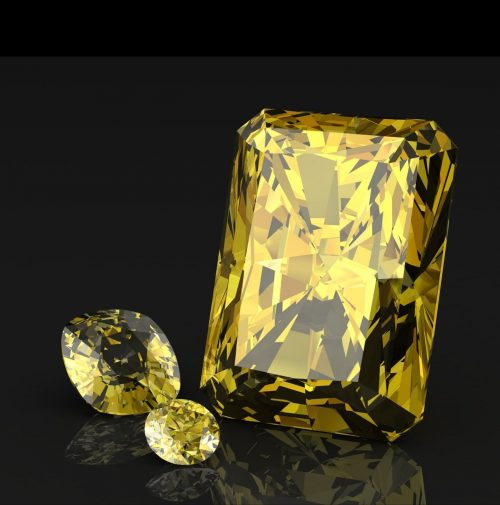 Natural Yellow Sapphire
Price range: $350.00 through $650.00
Natural Yellow Sapphire
Price range: $350.00 through $650.00
-
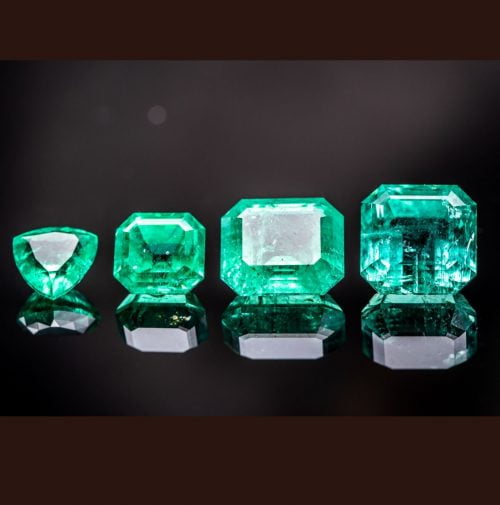 Natural Emerald Gemstone
Price range: $300.00 through $550.00
Natural Emerald Gemstone
Price range: $300.00 through $550.00

Connect me