
The Hidden Power of Astrological Houses in Your Natal Chart
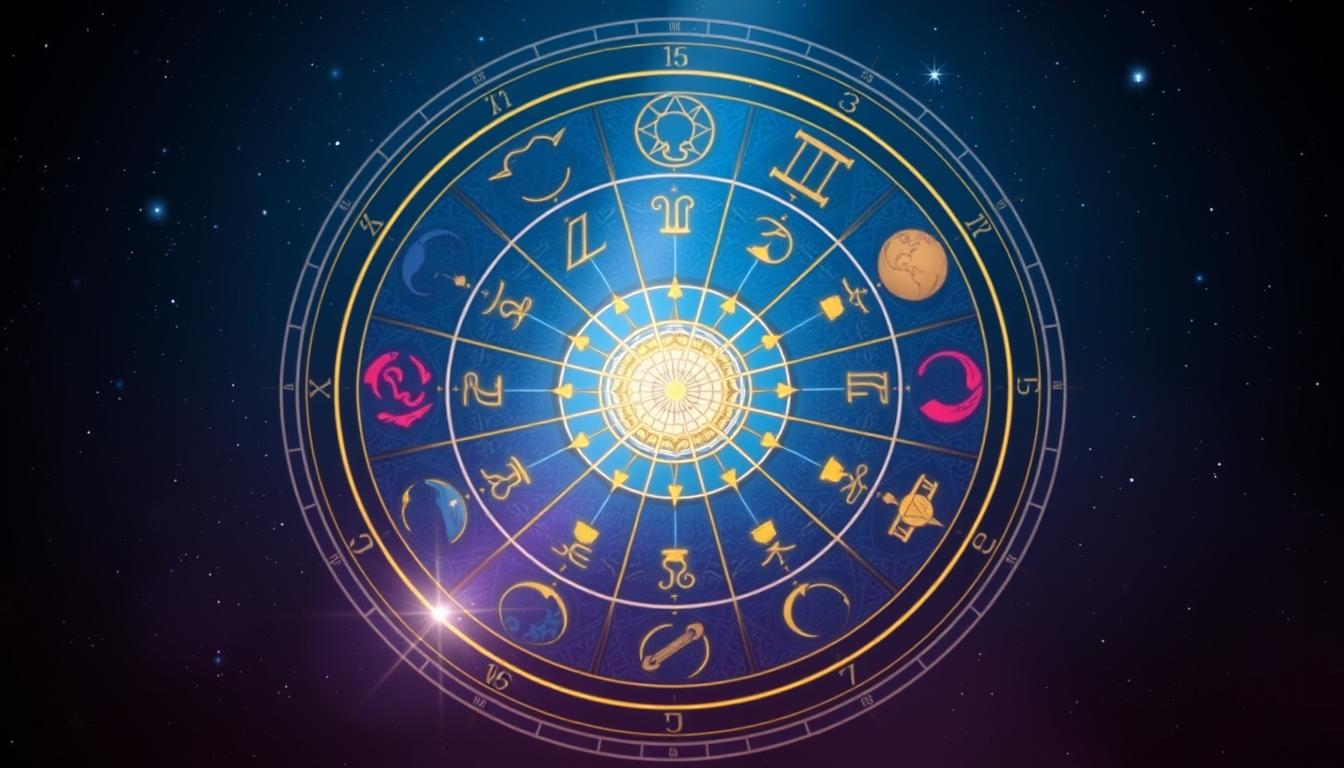
Most people know their Sun sign, but that’s just the surface. The true depth of astrology lies in understanding your complete celestial map.
Your birth chart is a unique snapshot of the sky the moment you were born. It captures the exact positions of the planets, creating a personal blueprint for your journey.
This blueprint is divided into twelve core sections called houses. Imagine a pie sliced into twelve equal pieces. Each piece represents a different area of life, from your identity and resources to your relationships and career.
In astrology, planets represent what is happening. Zodiac signs show how it happens. The astrological houses reveal where the action takes place in your world.
Learning about these houses unlocks a powerful tool for self-knowledge. It helps you see why certain parts of your life feel more active or challenging. This guide will help you master that knowledge.
Key Takeaways
- Your natal chart is a personalized map of the planets at your exact time of birth.
- The chart wheel is divided into 12 sections called houses.
- Each house governs a specific life area, like personality, finances, or relationships.
- Planets in these houses show where different energies and experiences manifest.
- Understanding house placement adds crucial context to your Sun, Moon, and rising signs.
- This knowledge provides practical insights for personal growth and decision-making.
Introduction to Astrological Houses and Birth Charts
While zodiac signs get most of the attention, the real magic of astrology unfolds in the twelve houses of your birth chart. This framework divides your personal celestial map into distinct areas of experience.
Defining Astrological Houses
Think of the houses as twelve equal slices of a pie. Each slice governs a specific domain of human life. The zodiac signs show how planetary energies behave.
The houses reveal where those energies manifest in your world. This includes your relationships, resources, and inner growth.
How Houses Shape Your Destiny
Your exact time and location of birth determine the layout of these sections. This makes your chart deeply personal.
The planets positioned in certain houses become focal points. They highlight where you will experience their influence most strongly.
Understanding this structure provides clarity. It shows why you are drawn to certain paths, offering a dynamic tool for self-discovery.
The Foundations of a Natal Chart
To truly read your celestial blueprint, you must first understand its two fundamental components: the planets and the signs they occupy.
This combination creates a cosmic fingerprint that is entirely unique to you. No one else has the exact same sky map.
Overview of Planetary Alignments
At your exact moment of birth, ten main celestial bodies were in specific positions. These planets represent the core energies active in your life.
Each one governs a different aspect of your experience. The Sun is your core identity. The Moon rules your emotions. Mercury handles communication.
Venus oversees love and values. Mars drives your action and desire. The outer planets influence broader, generational themes.
| Planet | Primary Role | Key Energy | Example in Life |
|---|---|---|---|
| Sun | Core Self | Vitality & Identity | Your central life purpose |
| Moon | Inner World | Emotions & Instincts | Your private emotional needs |
| Mercury | Intellect | Communication & Thought | How you process information |
| Venus | Relationships | Love, Beauty, Values | What you attract and cherish |
| Mars | Action | Drive, Passion, Assertion | How you pursue your goals |
The Role of Zodiac Signs
The twelve zodiac signs act like filters. They show how each planet’s energy expresses itself.
Think of a planet as an actor and the sign as its costume. Mars in fiery Aries is bold and direct. The same planet in watery Pisces is gentle and intuitive.
Your birth chart weaves these “what” (planets) and “how” (signs) together. The final layer, the house, reveals where this drama plays out in your world.
Natal Chart Houses Meaning: A Detailed Exploration
Astrology becomes truly personal when you move beyond signs and planets to the places they inhabit. These twelve sectors form the interpretive framework that turns abstract concepts into practical life guidance.
Understanding the Core Concept
Each house represents a specific domain of human experience. The first sector governs self-image. The second rules money and values.
This pattern continues through all twelve divisions. When a planet occupies a sector, it activates that life area. The planet’s energy colors everything happening there.
This house represents not just ideas but real people and places. Your siblings belong to the third sector. Your home falls under the fourth.
How Houses Influence Life Areas
Planets in certain sectors have a stronger impact. Those in angular positions (1st, 4th, 7th, 10th) create more obvious events.
This structure shows why some life themes repeat for you. It explains where you’ll face challenges or find easy growth.
Two people with the same Sun signs express it differently. It depends on which house holds their Sun in the personal chart.
| House Number | Primary Life Area | Example People/Places | Planetary Influence Example |
|---|---|---|---|
| First | Self & Appearance | You, your body | Mars here adds drive to your personality. |
| Second | Money & Values | Possessions, income | Venus here attracts financial comfort. |
| Third | Communication | Siblings, neighbors | Mercury here makes you a skilled talker. |
| Fourth | Home & Family | Parents, roots | The Moon here emphasizes emotional ties. |
Mastering this house represents a key step from beginner to intermediate understanding. It prepares you for the detailed exploration ahead.
The Role of the Rising Sign in Astrological Houses
Imagine a personal filter through which you meet the world—that’s your rising sign. This crucial point, also known as the Ascendant, forms the foundation of your entire astrological blueprint. It dictates how you initially engage with life.
What Is the Ascendant?
The Ascendant is the zodiac sign rising over the eastern horizon at your exact minute of birth. This makes it highly specific to your time and location. Accurate birth data is essential to pinpoint it.
This rising sign determines the cusp of your first house. It shapes your entire house layout, acting as the architectural plan for all twelve sectors.
Impact on First House and Self-Image
Your rising sign sets the starting point for all twelve houses in your system. It acts as a “mask” you wear, shaping first impressions and physical appearance. This initial house governs self-image, vitality, and your approach to new situations.
Planets in this sector deeply influence your personality and how others see you. For instance, an Aries rising projects boldness, while a Cancer rising seems nurturing. Grasping your sign unlocks precise house interpretation.
Angular, Succedent, and Cadent Houses Explained
Your celestial map contains a hidden hierarchy. Certain sectors act as power centers and others as preparation zones. This framework classifies all twelve areas into three distinct types.
Characteristics of Angular Houses
The angular houses are the power centers. They are the 1st, 4th, 7th, and 10th sectors. These areas mark the cornerstones of your life.
Each corresponds to a cardinal direction and point. The Ascendant is your self-image. The Imum Coeli is home and family.
The Descendant governs partnerships. The Midheaven rules career and public status. These houses are ruled by the cardinal signs: Aries, Cancer, Libra, and Capricorn.
This adds initiating, action-oriented energy. Planets placed here have amplified influence. Their effects are often the most visible and demanding.
Differences Between Succedent and Cadent Houses
Succedent houses (2nd, 5th, 8th, 11th) come next. They are ruled by fixed signs: Taurus, Leo, Scorpio, and Aquarius.
Their energy is solid and stable. The focus here is on building security and maintaining resources. You consolidate gains initiated by angular sectors.
Cadent house sectors (3rd, 6th, 9th, 12th) are different. They align with mutable signs like Gemini and Pisces.
Their energy is changeable and adaptive. These areas govern learning, routine, and preparation. Planets here work more subtly, often requiring conscious development.
Understanding this hierarchy in astrology shows where your energy naturally focuses. It reveals which life areas command immediate action and which build lasting security through adaptation.
An In-Depth Look at the First and Second Houses
Your journey into the twelve sectors begins with the foundational layers of self and security. These initial areas set the stage for your personal growth.
Self-Image, Appearance, and the First House
The first house is an angular sector. It is naturally ruled by Aries and Mars. This area governs your self-image and physical appearance.
It shapes the immediate impression you make. Your spontaneous reactions and defense mechanisms live here. Planets in this sector significantly color your personality.
Saturn here might make you seem serious. Jupiter could give an optimistic presence. Venus might bestow charm or attractiveness.
Money, Values, and the Second House
The second house is a succedent sector. Taurus and Venus rule it naturally. This area governs money, personal finances, and your value system.
It reveals your earning potential and spending habits. Beyond cash, it includes talents and inner resources. Planets here influence your relationship with material security.
Mars here might indicate aggressive pursuit of money. Saturn could suggest financial caution or slow accumulation.
| House | Ruling Sign | Ruling Planet | Core Themes | Example Influence |
|---|---|---|---|---|
| First | Aries | Mars | Self-image, appearance, first impressions | Venus here adds charm to your persona. |
| Second | Taurus | Venus | Money, values, possessions, self-worth | Mars here drives energetic earning. |
Together, these sectors form your foundation in life. The first establishes who you are. The second determines what supports that identity.
Communication and Home: The Third and Fourth Houses
Your daily interactions and deepest roots form the next layer of your personal sky map. Two sectors govern your immediate world: how you connect locally and where you find emotional security.
Exploring Communication in the Third House
The third house is a cadent sector ruled by Gemini and Mercury. It governs all forms of communication, including speaking, writing, and learning.
This area rules your siblings, neighbors, and short daily trips. It reveals your mental style and how you share information. A planet here shapes your thinking.
For example, the Sun in this sector can highlight a central role for a sibling. It may also point to a career involving words or local travel.
Family, Roots, and the Fourth House
The fourth house is an angular sector ruled by Cancer and the Moon. It represents your psychological foundation and sense of security.
This area governs family, ancestry, and your private home life. It’s the basement of your blueprint, holding childhood memories and inherited patterns.
The Moon placed here emphasizes deep emotional ties to family and tradition. It shows what truly makes you feel safe and grounded.
Creativity and Daily Life: The Fifth and Sixth Houses
Two distinct sectors govern how you find pleasure and how you manage the practical necessities of existence. This is the vibrant contrast between the fifth and sixth houses.
Self-Expression, Romance, and the Fifth House
The fifth house is a succedent sector ruled by Leo and the Sun. It is the realm of pure joy, creativity, and self-expression.
This area governs romance, hobbies, entertainment, and anything you do for fun. It also represents your creative “children”—the projects and performances you birth into the world.

Planets here color your approach to pleasure. Venus enhances artistic talent. Mars brings dramatic love affairs. Saturn suggests a serious approach to creative work.
Work, Health, and Routine in the Sixth House
The sixth house is a cadent sector ruled by Virgo and Mercury. It governs daily work, health routines, and service.
This area reveals your job duties, relationship with coworkers, and daily rituals. It also rules pets, diet, and how you maintain your wellbeing.
Modern astrology sees this house as the domain of healers and practical self-improvement. It’s where consistent effort creates real-world health and order.
Saturn here may indicate health challenges requiring discipline. Jupiter could point to a work life filled with helpful colleagues or a love for animals.
| House | Type & Ruler | Core Life Area | Planet Example & Effect |
|---|---|---|---|
| Fifth | Succedent / Leo & Sun | Creativity, Romance, Pleasure, Children | Jupiter: Abundance through fun or creative pursuits. |
| Sixth | Cadent / Virgo & Mercury | Daily Work, Health, Routine, Service, Pets | Mars: Energetic approach to tasks or competitive coworkers. |
Partnership and Transformation: The Seventh and Eighth Houses
Our exploration arrives at the sectors dedicated to other people and the transformations they bring. These two areas govern your most intimate bonds and life’s deepest changes.
Partnerships and Marriage in the Seventh House
The seventh house is an angular sector ruled by Libra and Venus. It represents all one-to-one relationships. This includes marriage, business partnerships, and even open competitors.
This area reveals your “shadow self.” You often seek in partners the qualities you haven’t fully owned yourself. Planets here shape your approach to commitment.
Venus brings harmony and attraction. Mars can spark passionate conflict. Saturn may indicate serious lessons learned through love.
Transformation, Crisis, and the Eighth House
The eighth house is a succedent sector ruled by Scorpio and Pluto. It governs profound change, shared resources, and intimacy. This is the realm of psychological rebirth.
It deals with crises that force growth, including confrontations with death or ego death. It also rules finances you share with others, like inheritances or loans.
Planets here show how you handle deep transformation. Pluto intensifies every experience. Venus may ease intimacy. Saturn suggests caution with shared assets.
| House | Type & Ruler | Core Themes | Planetary Influence Example |
|---|---|---|---|
| Seventh | Angular / Libra & Venus | Partnerships, Marriage, Contracts, Shadow Self | Mars: Dynamic but potentially confrontational relationships. |
| Eighth | Succedent / Scorpio & Pluto | Transformation, Shared Resources, Intimacy, Crisis | Jupiter: Expansion through shared finances or spiritual growth. |
Higher Learning and Career: The Ninth and Tenth Houses
The quest for meaning and public recognition is mapped in the ninth and tenth sectors of your celestial blueprint. These areas govern your expansion into the world and your climb within it.
Belief Systems and Exploration in the Ninth House
The ninth house is a cadent sector. Sagittarius and Jupiter rule it naturally. This area represents your personal philosophy and quest for truth.
It governs higher education, long-distance travel, and spiritual exploration. Your approach to foreign cultures and publishing also lives here. Planets in this house shape your worldview.
Jupiter amplifies a love for learning and adventure. Mercury might point to a career in teaching or writing. Saturn suggests a structured belief system.
Career, Reputation, and the Tenth House
The tenth house is an angular power center. Capricorn and Saturn are its natural rulers. This sector defines your public career and legacy.
It shows your professional status, reputation, and ambitions. Unlike the sixth house of daily tasks, this is your true calling. Authority figures and societal contribution are key themes here.
Planets in the tenth house make career a central life theme. The Sun here can indicate a path of leadership. Mars suggests a driven, competitive professional identity.
| House | Type & Ruler | Core Themes | Planet Example & Effect |
|---|---|---|---|
| Ninth | Cadent / Sagittarius & Jupiter | Higher Education, Philosophy, Travel, Belief | Venus: Finds beauty and harmony in learning or different cultures. |
| Tenth | Angular / Capricorn & Saturn | Career, Reputation, Status, Public Achievement | Moon: Public image tied to nurturing or emotional intelligence. |
Social Aspirations and Inner Growth: The Eleventh and Twelfth Houses
The final two houses complete your personal blueprint by mapping your social world and inner universe. These sectors explore how you connect with communities and your own subconscious.
Friendships, Goals, and the Eleventh House
The eleventh house is a succedent area. Aquarius and Uranus rule it naturally. This sector governs your friends, social groups, and highest hopes.
It reveals your role in communities and your vision for the future. Planets here shape your social life and aspirations. Venus brings many friends and social ease.
Saturn might indicate a few loyal companions. Uranus suggests sudden changes in your circles.
Soul Growth and Hidden Realms in the Twelfth House
The twelfth house is a cadent sector. Pisces and Neptune are its rulers. This area represents your subconscious mind and private spiritual life.
It governs dreams, secrets, and karmic patterns. This is the realm of hidden strengths and self-undoing. Planets here indicate talents or challenges kept from view.
This house is where you retreat, heal, and process unconscious material. It completes the zodiac cycle, offering deep insight into your inner world.
Conclusion
Understanding where planetary energies play out transforms abstract astrology into a personal guide. This knowledge provides the crucial context for your zodiac signs and the planets in your birth chart.
No area of your life is inherently good or bad. Each house represents a vital domain for experience and growth. Astrology becomes a tool for conscious choice, not just prediction.
Begin your practice. Get an accurate chart using your precise time of birth. Notice which sectors are active. Watch how transiting planets highlight different themes. This ongoing study unlocks profound self-awareness and empowers your unique journey.
FAQ
What is the main difference between a zodiac sign and an astrological house?
Think of it this way: your zodiac signs show *how* you express your energy, like your personality traits. The astrological houses in your birth chart show *where* that energy plays out in your life, like the specific areas of experience such as your career, home, or relationships.
Why is my Rising Sign so important for understanding my houses?
Your Rising Sign, or Ascendant, is the literal starting point of your entire chart. It determines the sign on the cusp of your First House, which shapes your self-image and appearance. Every other house in your personal blueprint follows from that point, making it the essential key to unlocking your chart’s structure.
Which house rules over my career and public reputation?
Your professional life and public standing are governed by the Tenth House. This angular house, also called the Midheaven, points to your ambitions, long-term goals, and how you achieve status and recognition in the world.
Where do I look in my chart to understand my love life?
A> For romance, dating, and casual love affairs, look to your Fifth House. This is the realm of pleasure, creativity, and flirtation. For committed partnerships, marriage, and serious one-on-one contracts, you analyze your Seventh House.
What does it mean if one of my houses is empty, with no planets in it?
An empty house is completely normal and doesn’t mean that area of life is missing! It simply suggests that the themes of that house may flow more easily or require less conscious focus. You interpret it by looking at the sign on its cusp and any planets that rule that sign from elsewhere in your chart.
About Me:

Musa Hossain, A Modern Astrologer, Palmist, Occultist Scientist and Gemologist
Our Astrological Gemstone
-
 Natural Red Coral
Price range: $225.00 through $400.00
Natural Red Coral
Price range: $225.00 through $400.00
-
 Natural Blue Sapphire
Price range: $1,500.00 through $3,000.00
Natural Blue Sapphire
Price range: $1,500.00 through $3,000.00
-
 Natural Sea Pearl
$400.00
Natural Sea Pearl
$400.00
-
 Natural Yellow Sapphire
Price range: $350.00 through $650.00
Natural Yellow Sapphire
Price range: $350.00 through $650.00
-
 Natural Emerald Gemstone
Price range: $300.00 through $550.00
Natural Emerald Gemstone
Price range: $300.00 through $550.00

Connect me